
Mt Vaea Digital Nature Trail
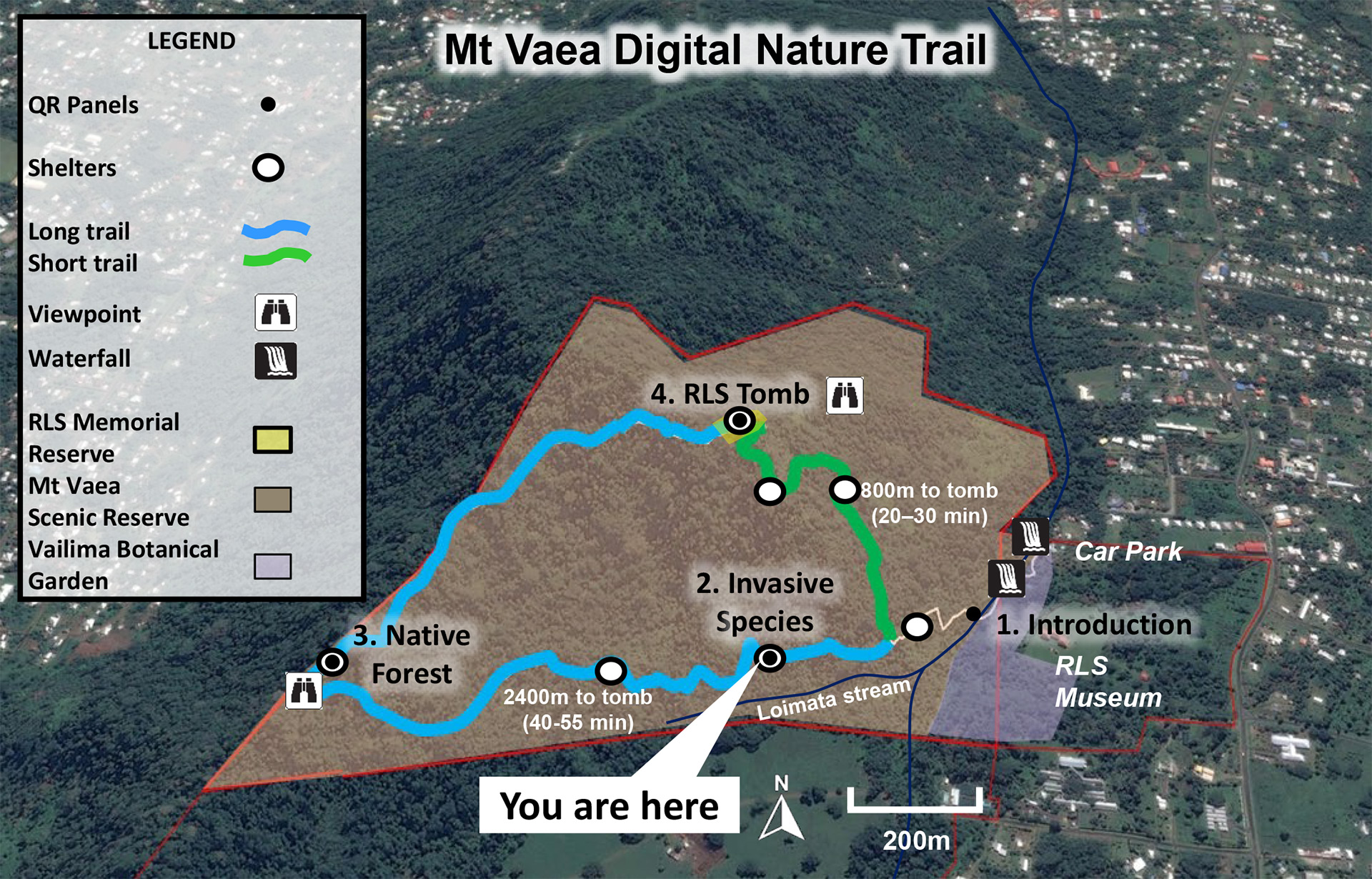
Panel 2. Invasive Species

This is the second of four digital information panels along the Mt Vaea trail – two on the short trail and two on the long trail. Digital tree identification labels have also been placed on many of the prominent invasive trees.
Invasive SPECIES
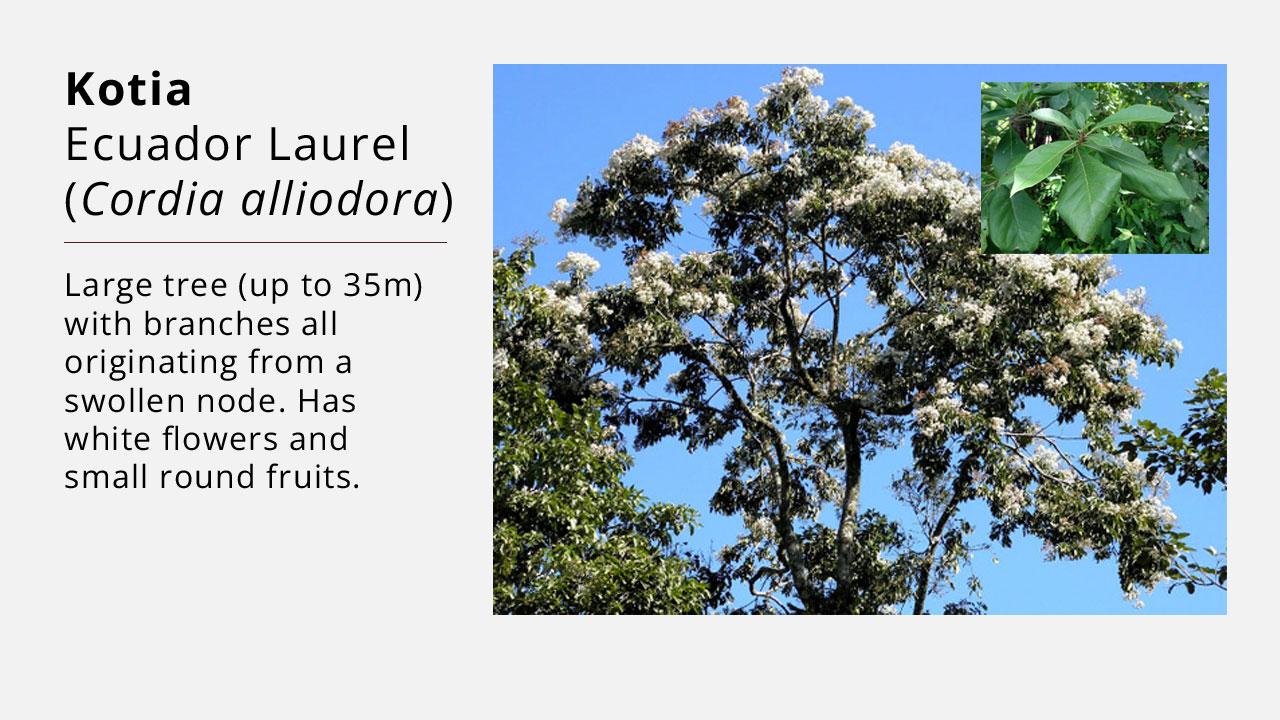
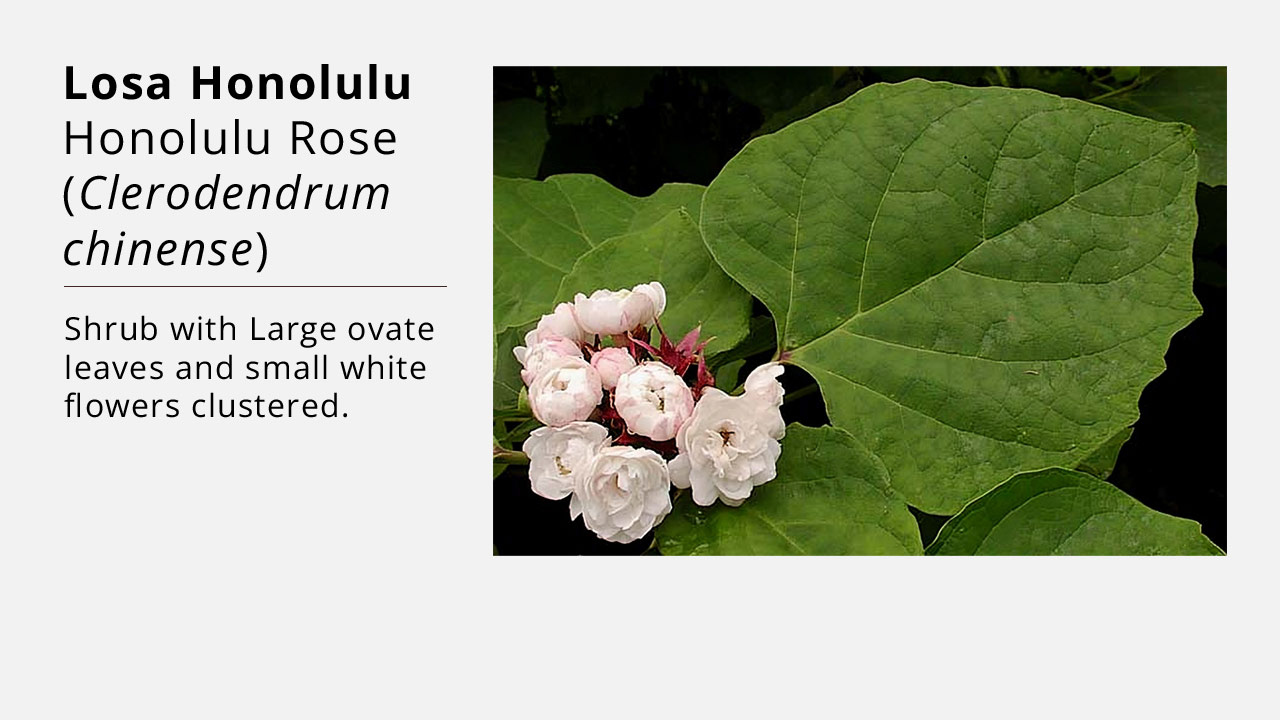
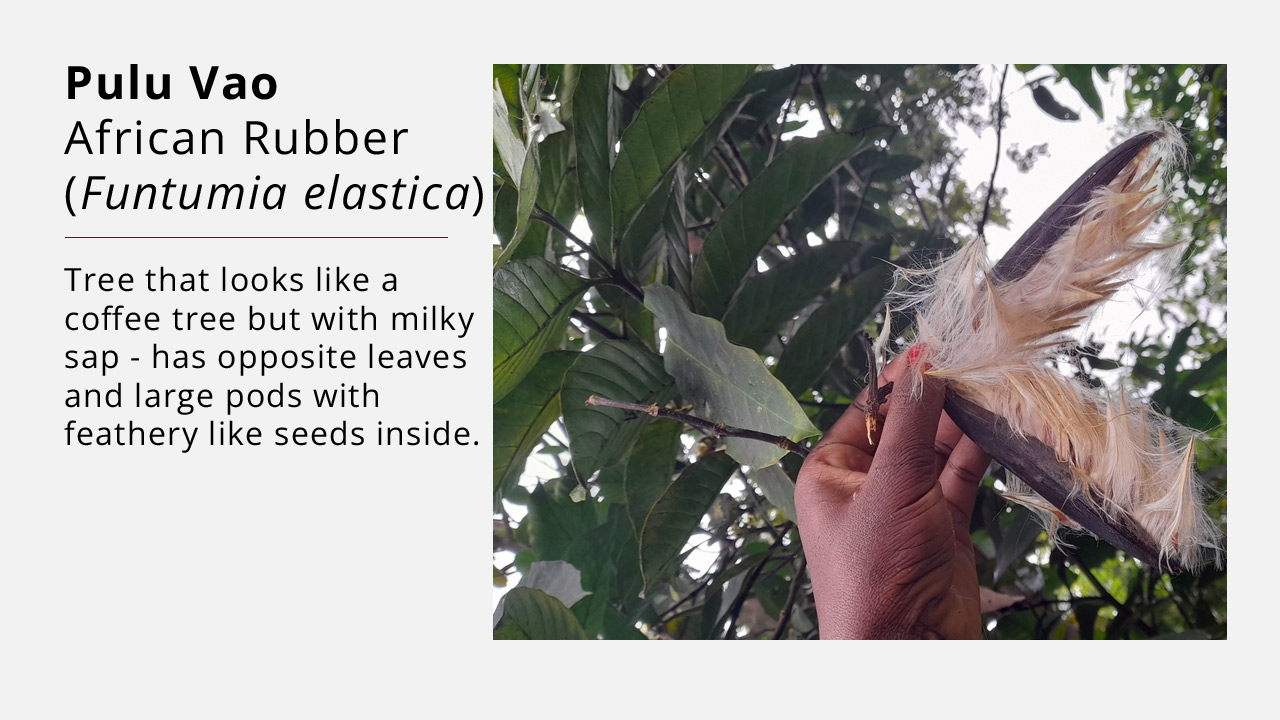
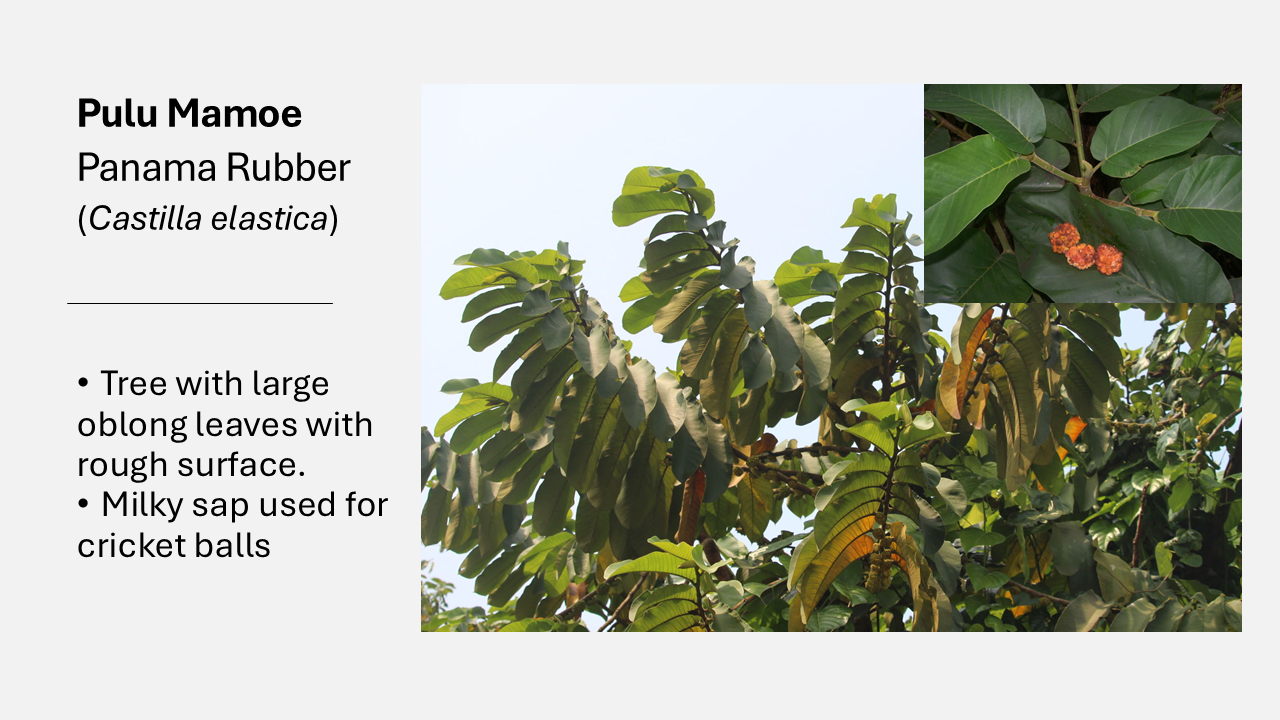
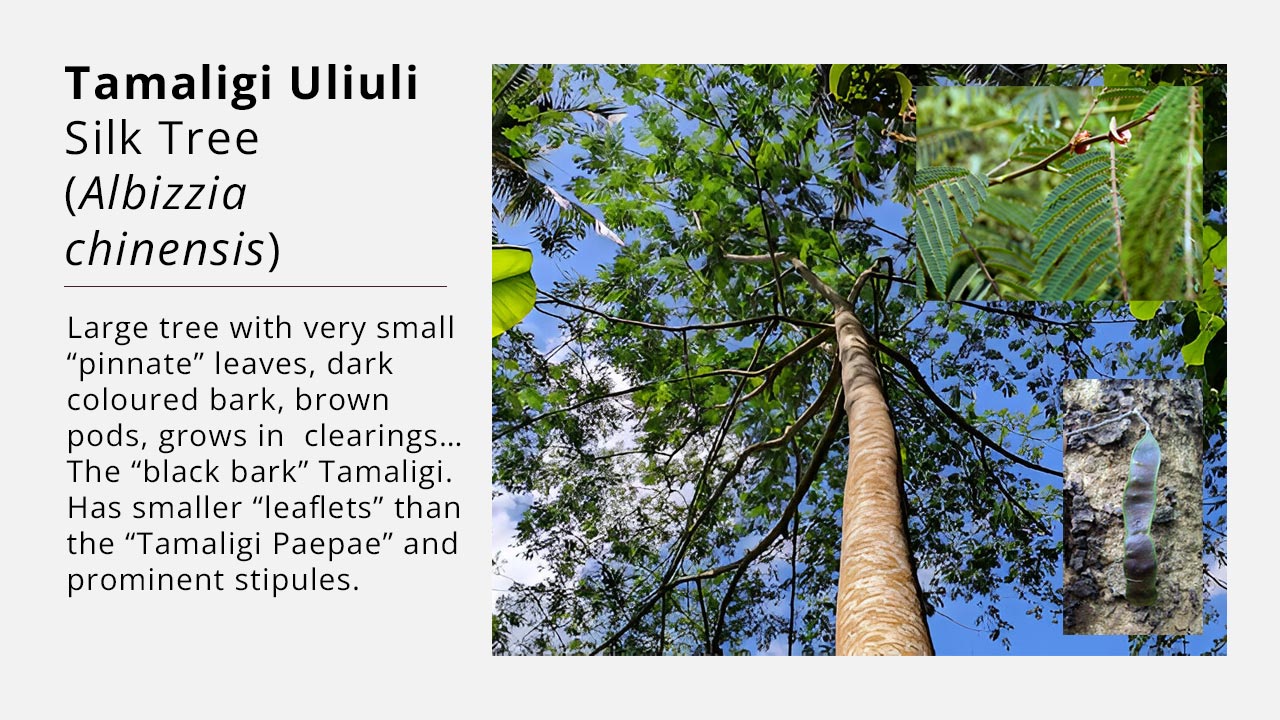
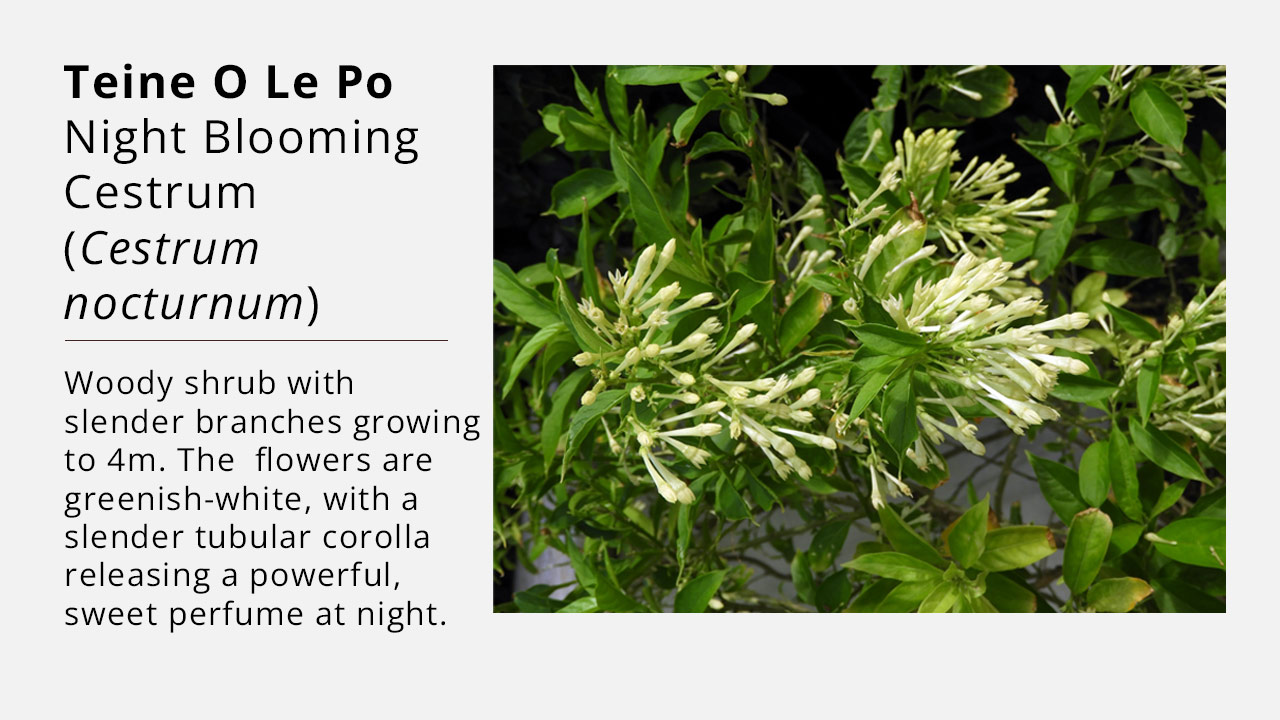
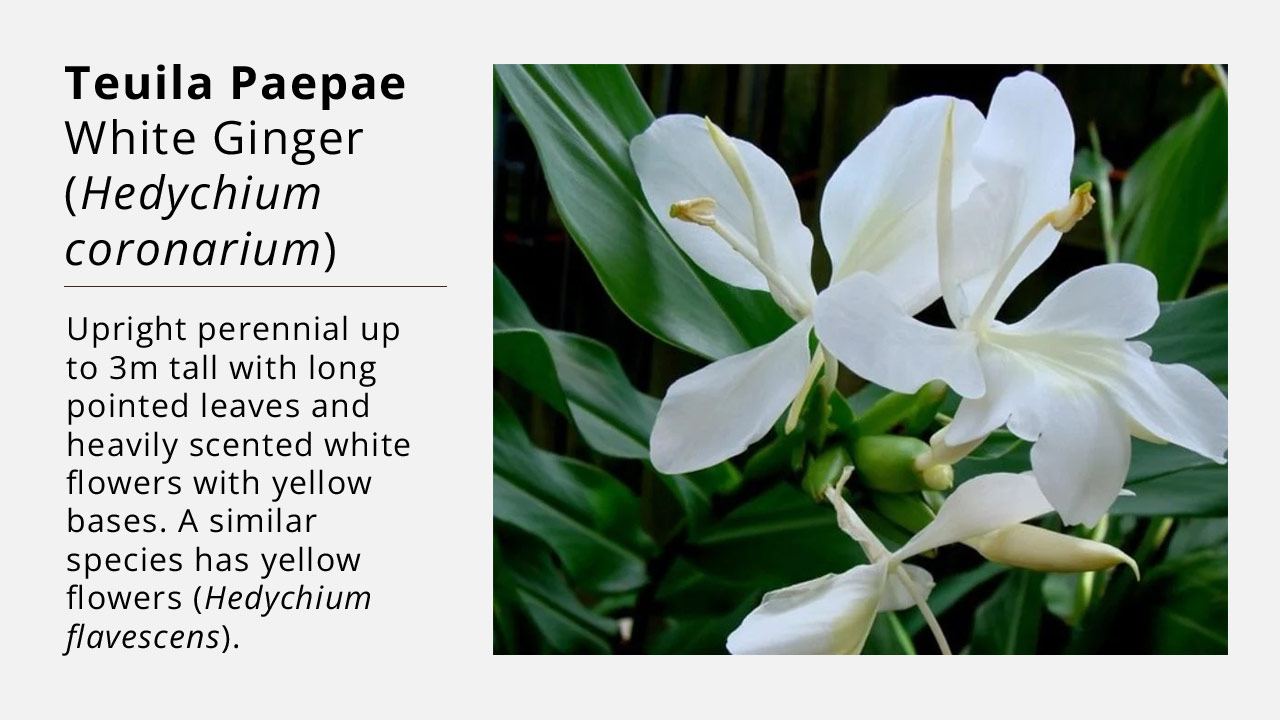
In this part of the reserve most of the plants are introduced invasive species, many of which may have escaped cultivation from the gardens and forest research plantation at the base of the mountain. These species dominate because of their fast growth and rapid dispersal ability, with many dispersed by wind. Five invasive trees are particularly dominant here including Silk Tree (Tamaligi) species, African Tulip (Fa’apasi) and rubber trees such as African Rubber (Pulu Vao) and Panama Rubber (Pulu Mamoe). In addition there are at least 20 other common invasive plants in the reserve including Koster’s Curse (La’au mamoe), Shoebutton Ardisia (Togo Vao), Cardinal Flower (Totoe), Dumb Cane, Honolulu Rose (Losa Honolulu), Heliconias (Vae pa’a), Gingers (Teuila/Fiu), Lantana (Latana), Ivy Gourd and even the Panama Hat Palm- the plant used to make Panama hats in South America! Other invasive species found in the reserve include invasive mammals such as rats, cats and pigs, invertebrates like Giant African Snail (Sisi Afelika) and introduced birds such as Myna birds and many other species.
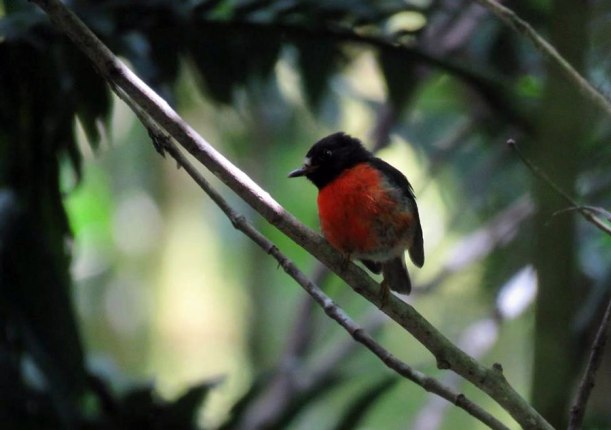
Unfortunately ecosystems that are dominated by invasive species tend to not only have fewer species overall, but also to be less stable and resilient to other threats such as cyclones, erosion or fire. Proof of this can be seen after cyclones when the rivers are often blocked by fallen or broken invasive trees like Tamaligi. Additionally, many of our native birds are so severely impacted by rats and cats that many are now restricted to offshore islands, deep forest and inaccessible places like treetops, where cats and rats may not get to them so easily. Managing invasive species is therefore a very important role for conservation organisations like the Ministry of Natural Resources and Environment and the Samoa Conservation Society, especially if we are to build ecosystem resilience to climate change. A restoration project has been underway here at Mt Vaea since 2008 and approximately 12,000 native lowland trees have been planted and a total of around 6 hectares of open and degraded forest has been restored. The work must continue indefinitely in order to restore forest patches damaged by cyclones and to keep the spread of invasive plants under control.
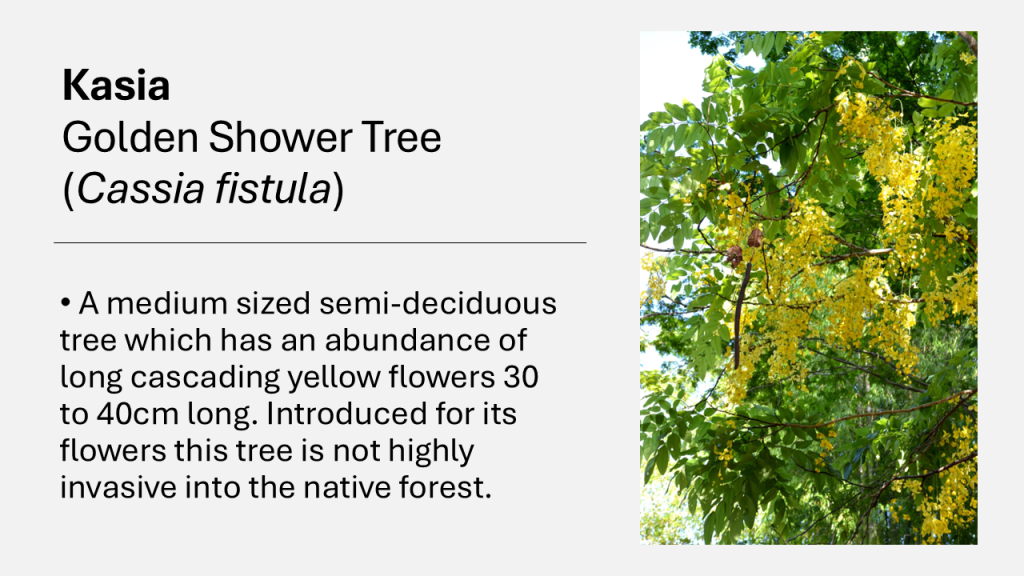
Here are some photos and descriptions of 19 of the most common introduced plants in the reserve, most highly invasive. Click on any image to view it in greater detail.










 samoaconservationsociety.com