
Mt Vaea Digital Nature Trail
Panel 1. Introduction

Geography and Geology
Samoa has had 6 different periods of volcanic activity since the islands were first formed from a geological “hotspot” and the Mt Vaea Nature Reserve is sited on the oldest volcanic lava flow on Upolu. Geologists have named the earliest volcanic series in Samoa the “Fagaloa” volcanic series which are 3-5 million years old and characterised by steep slopes, deep soils and many rivers and waterfalls. Most of Samoa is composed of younger rock with more gentle slopes and shallower and more rocky soils.
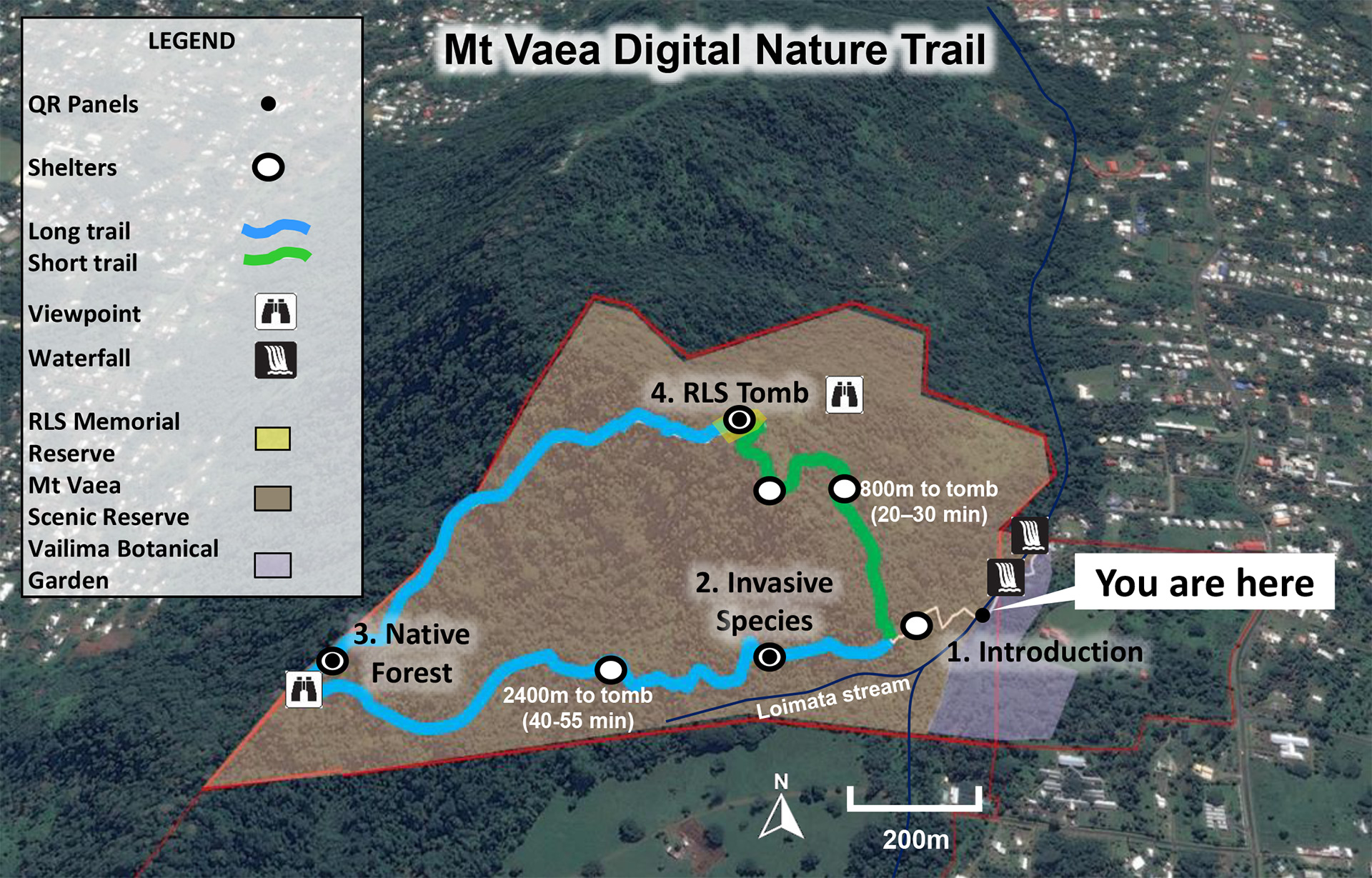
Mt Vaea is a remnant of a 3 million year old volcano that has eroded away to form the steep ridges covered with the deep, rocky soil that you see today. Younger, less eroded, lava flows surround the mountain and these are characterised by the gentler slopes of Vailima and Avele, on the 750,000 year old Salani volcanic series. The elevation of the reserve ranges from 180m to 470m. One river flows through the reserve, the Loimata o Apaula stream, which has a series of small waterfalls including the small swimming pool used by Robert Louis Stevenson in the 1890’s. From the reserve, the Loimata o Apaula stream flows north through the centre of Apia and into Apia harbour next to the Mulivai Catholic Cathedral.
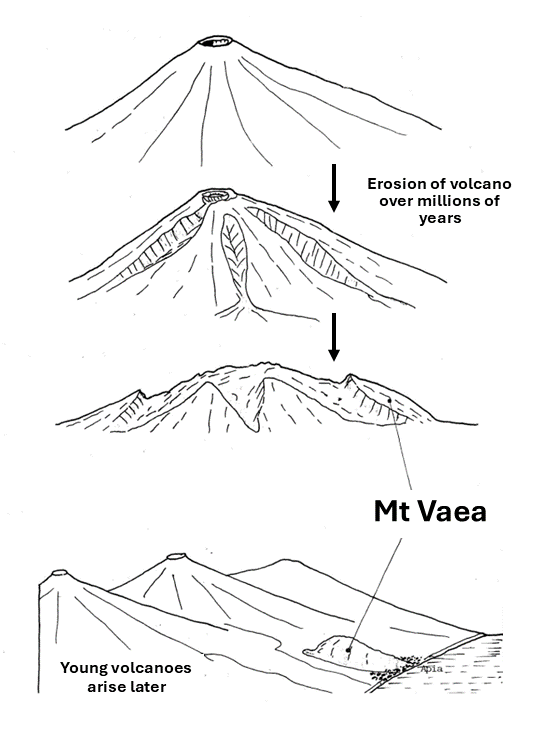
Origin of Mt Vaea. In Ollier, Whistler and Amerson 1979. O le Pupu Pue National Park Vol 2 Interpretive Material, page 46
VEGETATION AND PLANTS
Forest covers three quarters of the reserve, most of it comprising fast growing introduced invasive trees. Originally the mountain was covered with native lowland rainforest, but over the years the forest has been disturbed by human activity and by cyclones. Much of the forest remaining is now called “secondary forest” meaning it has grown up after the original, or “primary forest”, was removed. Since 2008, a restoration project has been underway at Mt Vaea and approximately 12,000 native lowland trees have been planted and a total of around 6 hectares of open and degraded forest has been restored.
At the base of the mountain the forest consists mostly of exotic tree species such as the Sita or the Cigar Box Cedar (Cedrella odorata), Mahoki or Mahogony (Swietenia macrophylla). The lower part of the Mt Vaea reserve was actually a forestry plantation where introduced timber trees were trialled to see how they perform in Samoan conditions. A number of highly invasive trees such as Tamaligi (Albizzia species), Fa’apasi or African Tulip (Spathodea campanulata) and rubber trees such as Pulu Vao (Funtumia elastica) and Pulu Mamoe (Castilla elastica) have invaded these lower slopes.
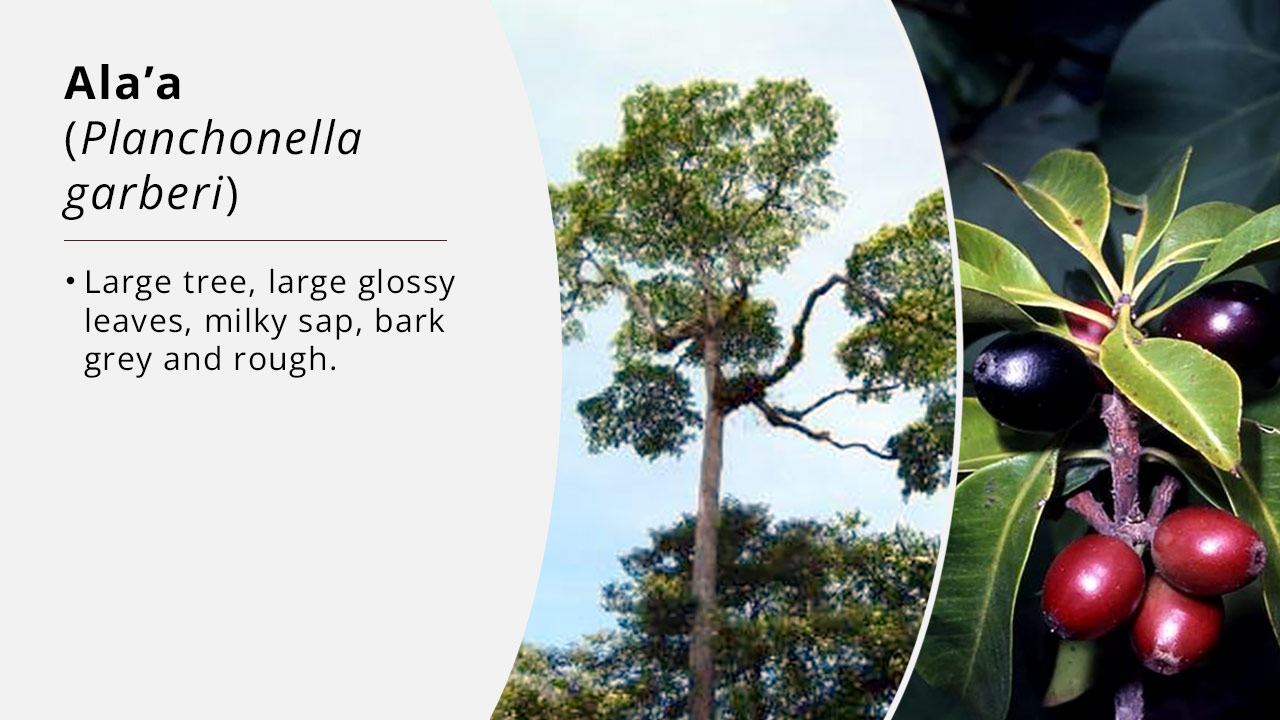
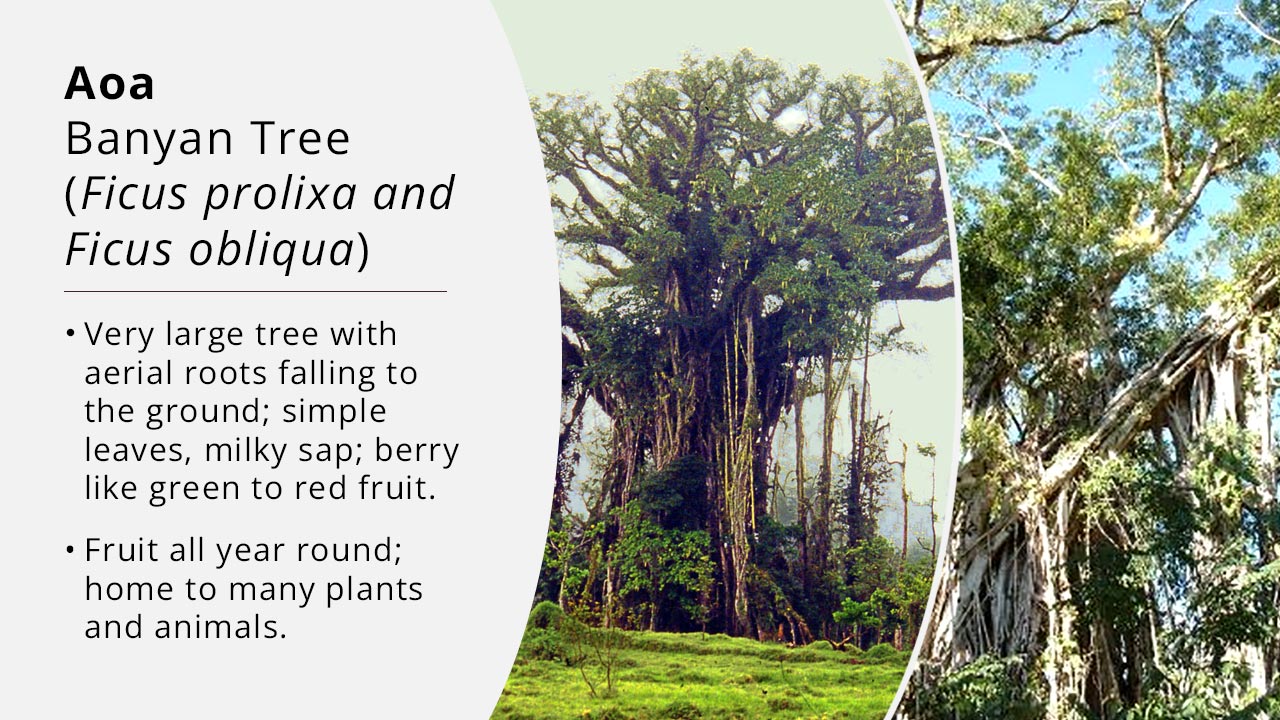
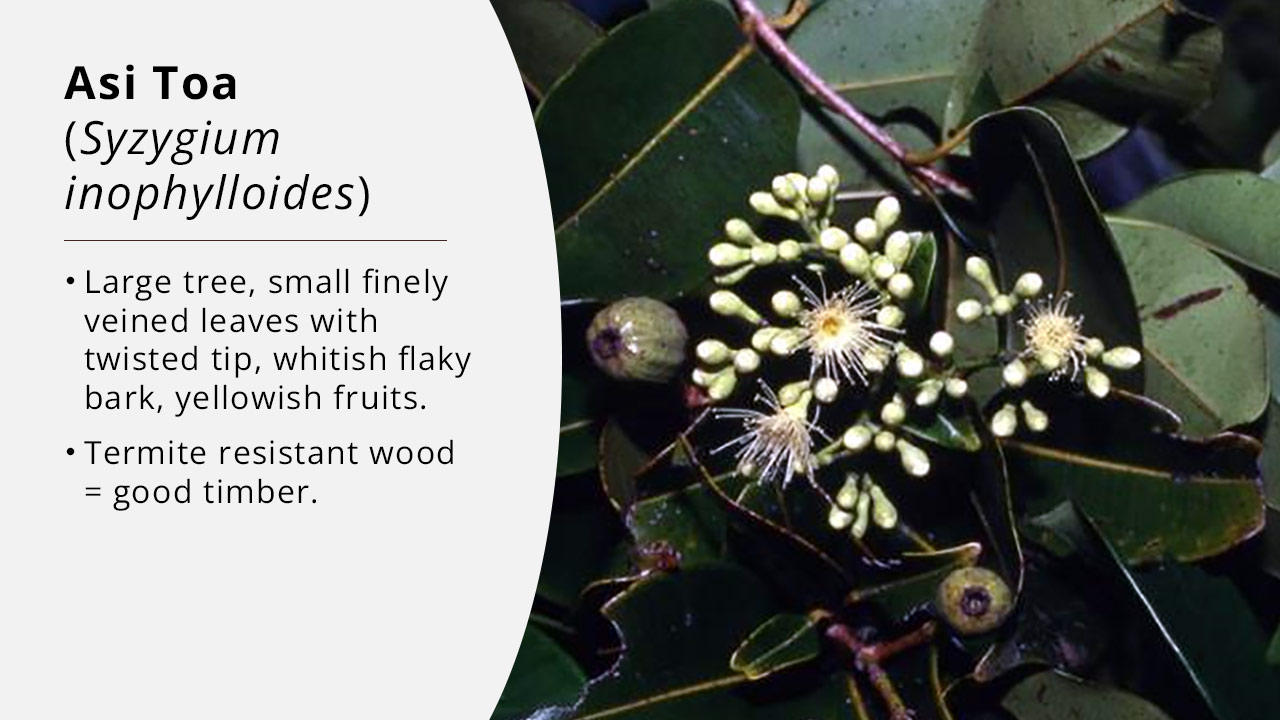
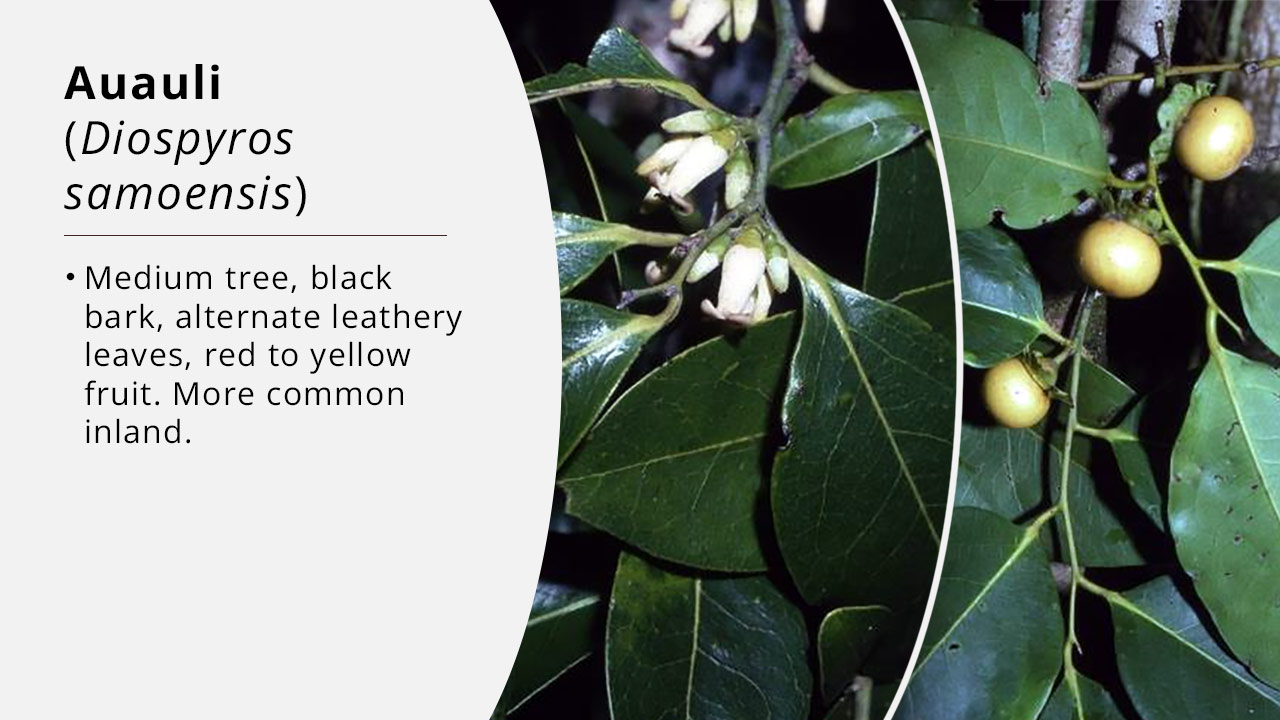
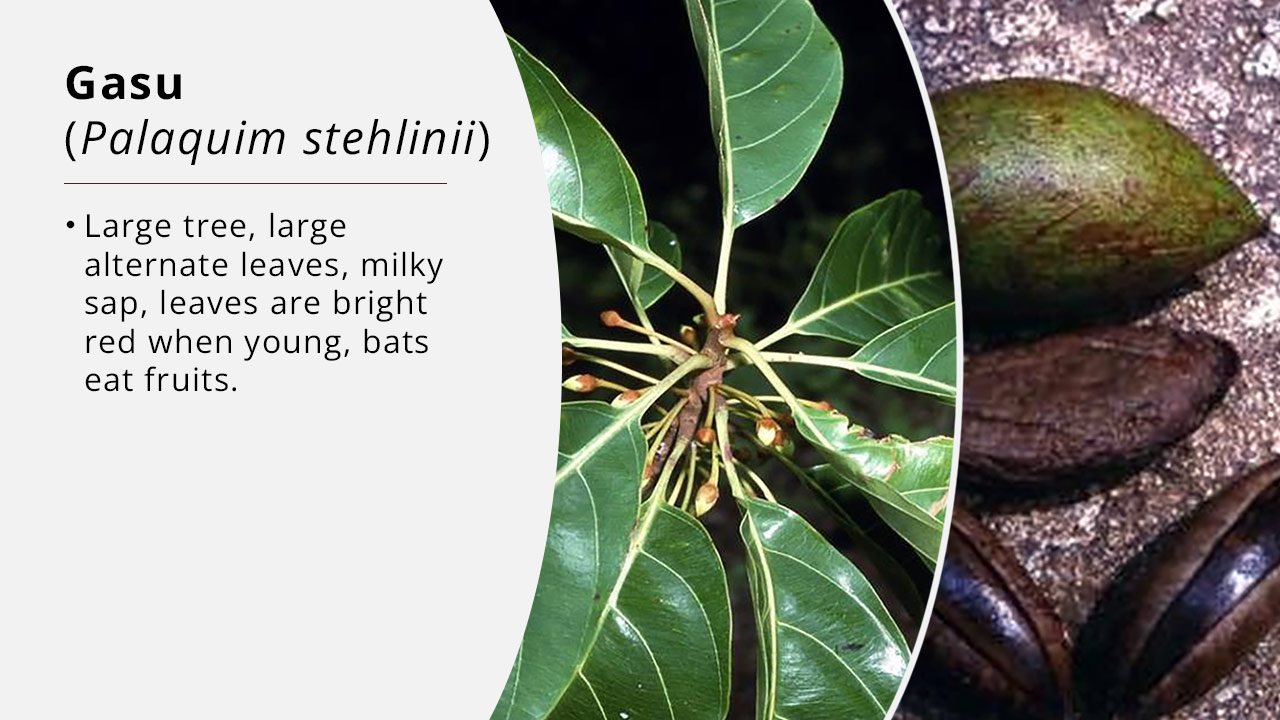
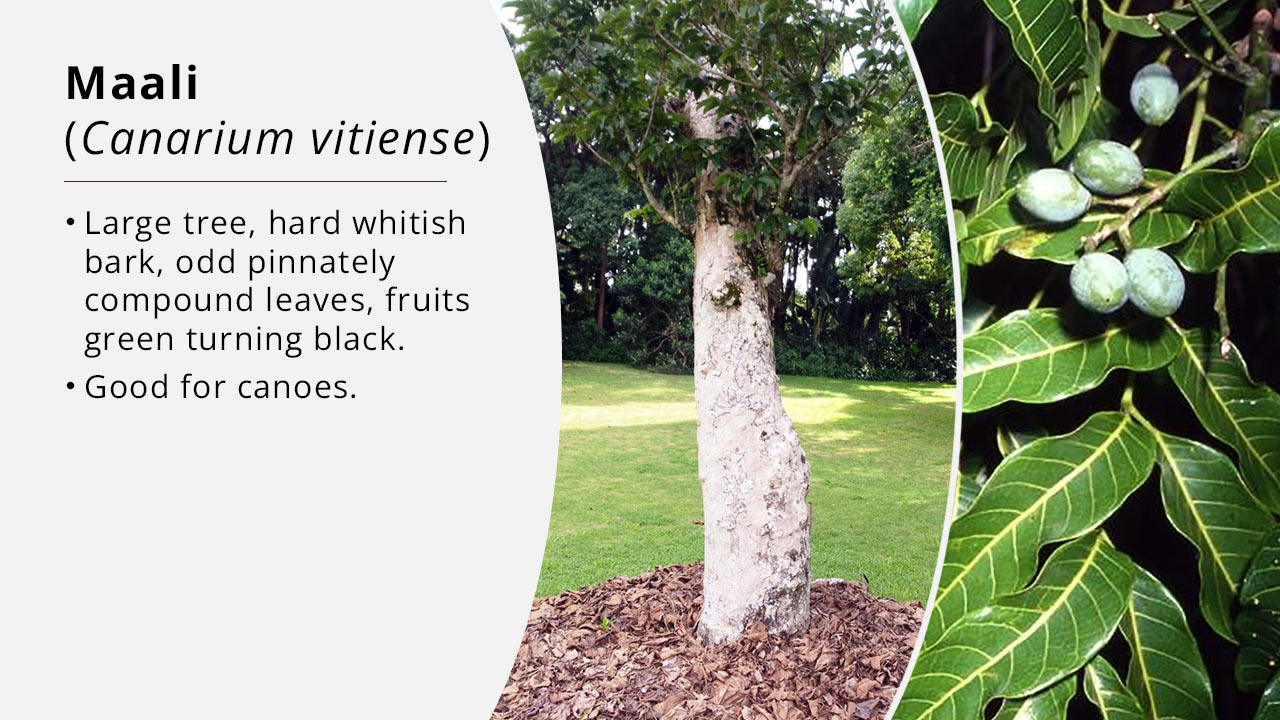
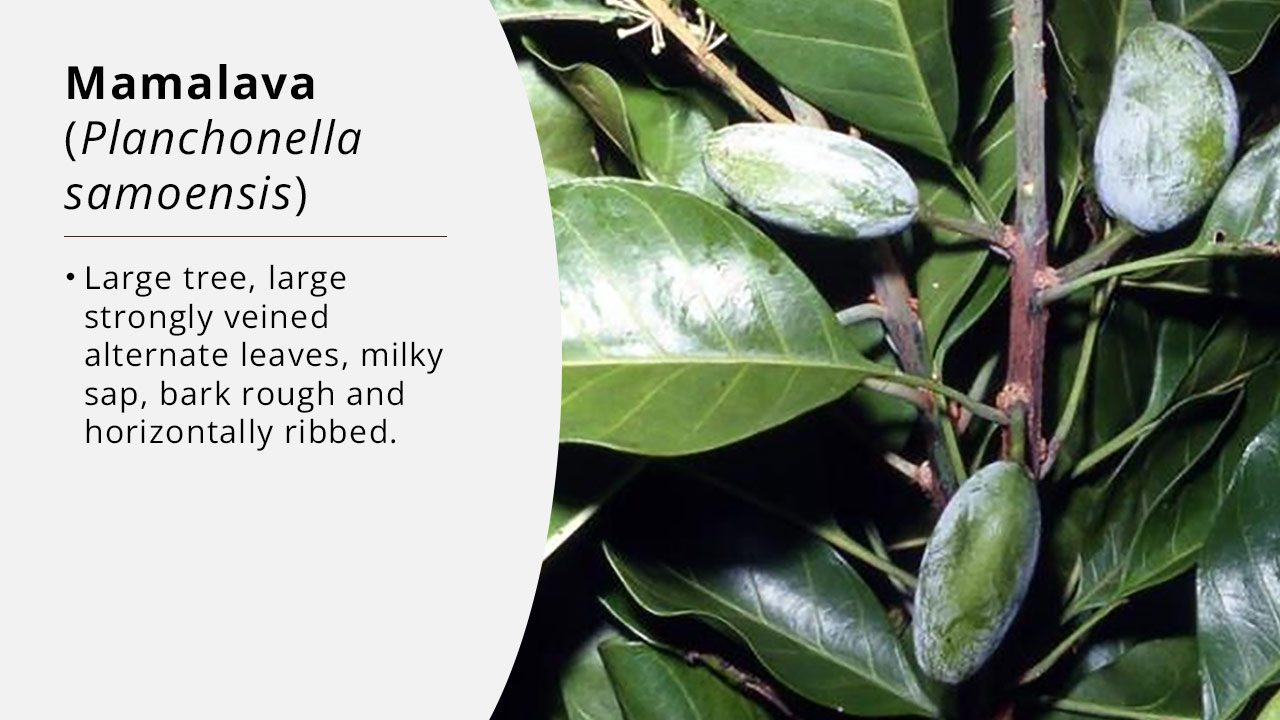
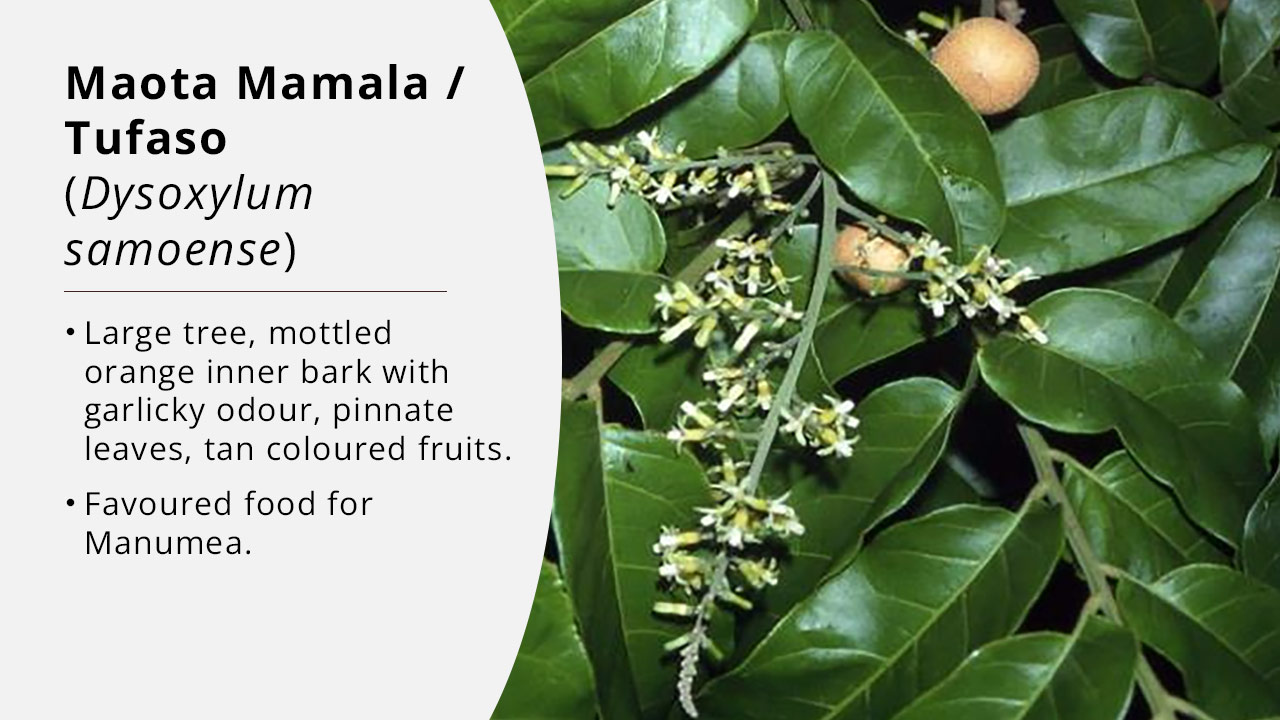
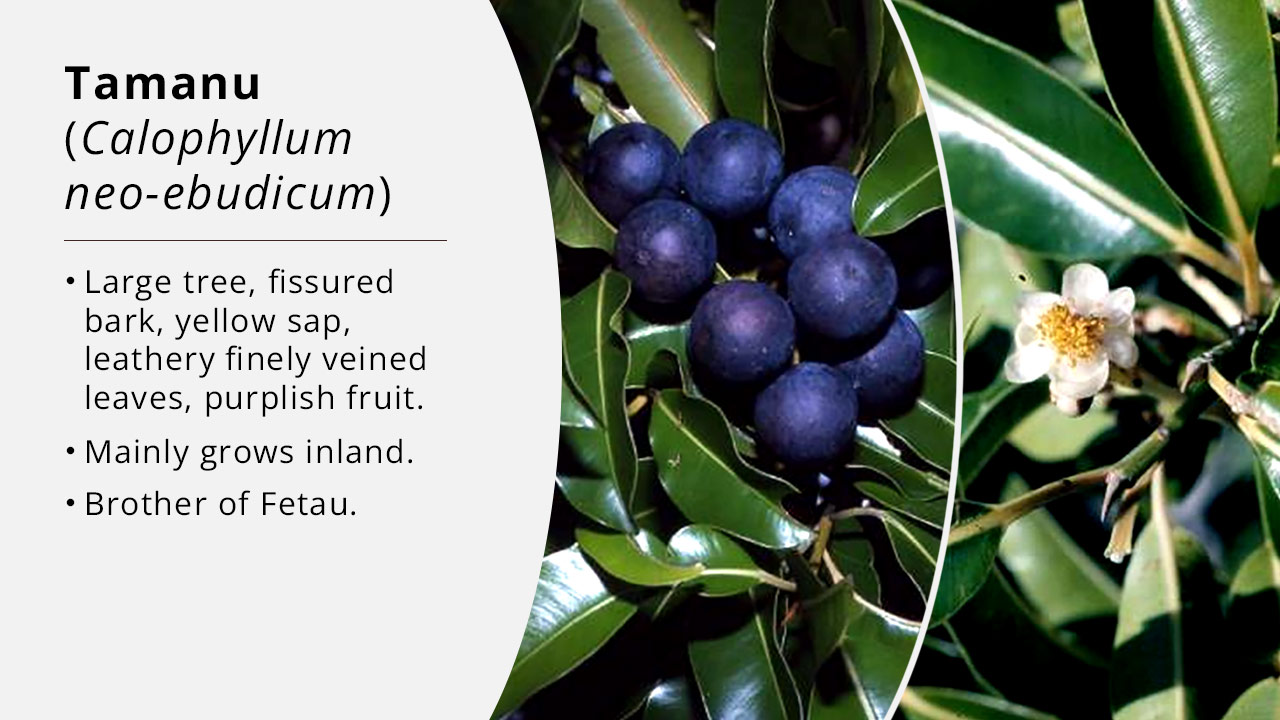
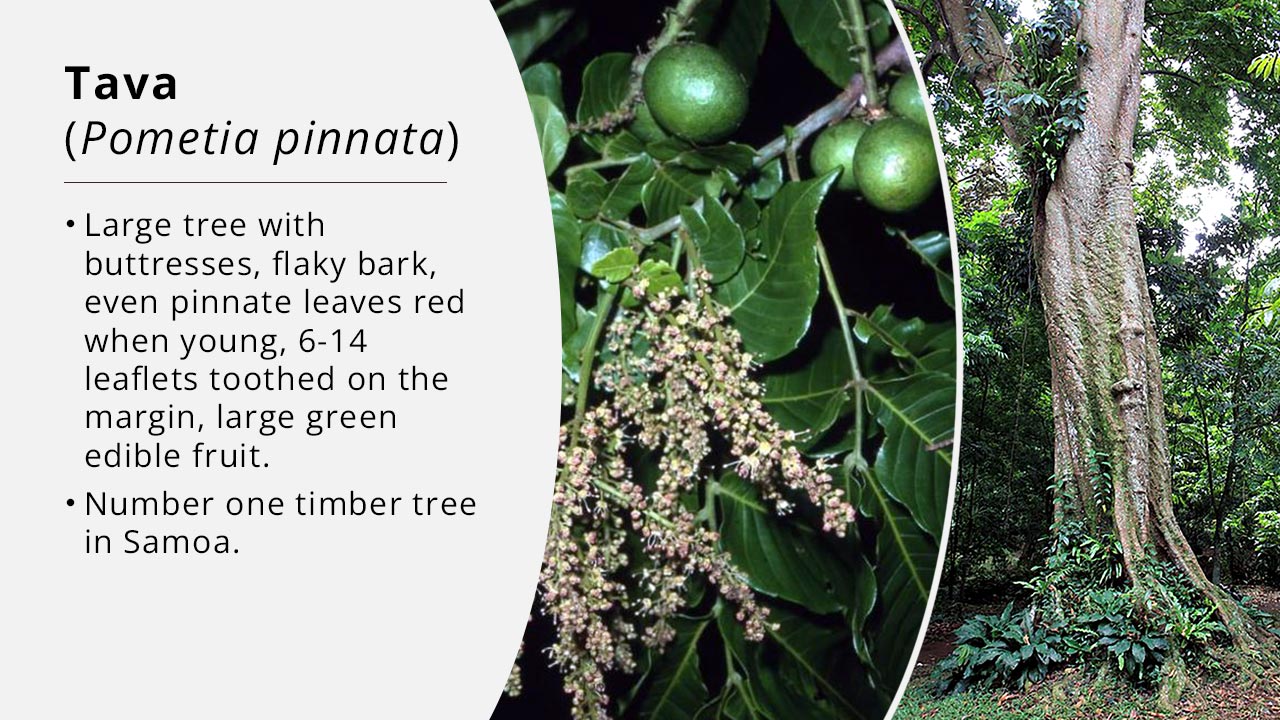
Higher up in the reserve small patches of the original lowland rainforest remain. The most common native trees here are: Tava (Pometia pinnata), Ma’ali (Canarium vitiense), Mamalava (Planchonella samoensis), Asi-toa (Syzygium inophylloides) and Maota Mamala (Dysoxyllum samoense). The less common native trees include: Gasu (Palaquium stehlinii), Tamanu (Calophyllum neo-ebudicum), and Au’auli (Diospyros samoensis). There are also a few giant Aoa, or Banyan Trees (Ficus prolixa and Ficus obliqua) on the long trail. These are arguably the most important trees in the Samoan rainforest as they are hosts to myriad species of orchids, ferns and other epiphytic plants and are an important food source and home for native birds and flying foxes.
The ground cover is comprised of a mixture of native and introduced ferns, vines, shrubs and grasses. Look out in particular for the invasive Panama Hat Palms (Carludovica palmata) and the bright red flowers of the Fire Spike (Odontonema tubaeforme) along the trail. While pretty, these and many other introduced garden plants are highly invasive and are spreading into the native forest in Samoa.
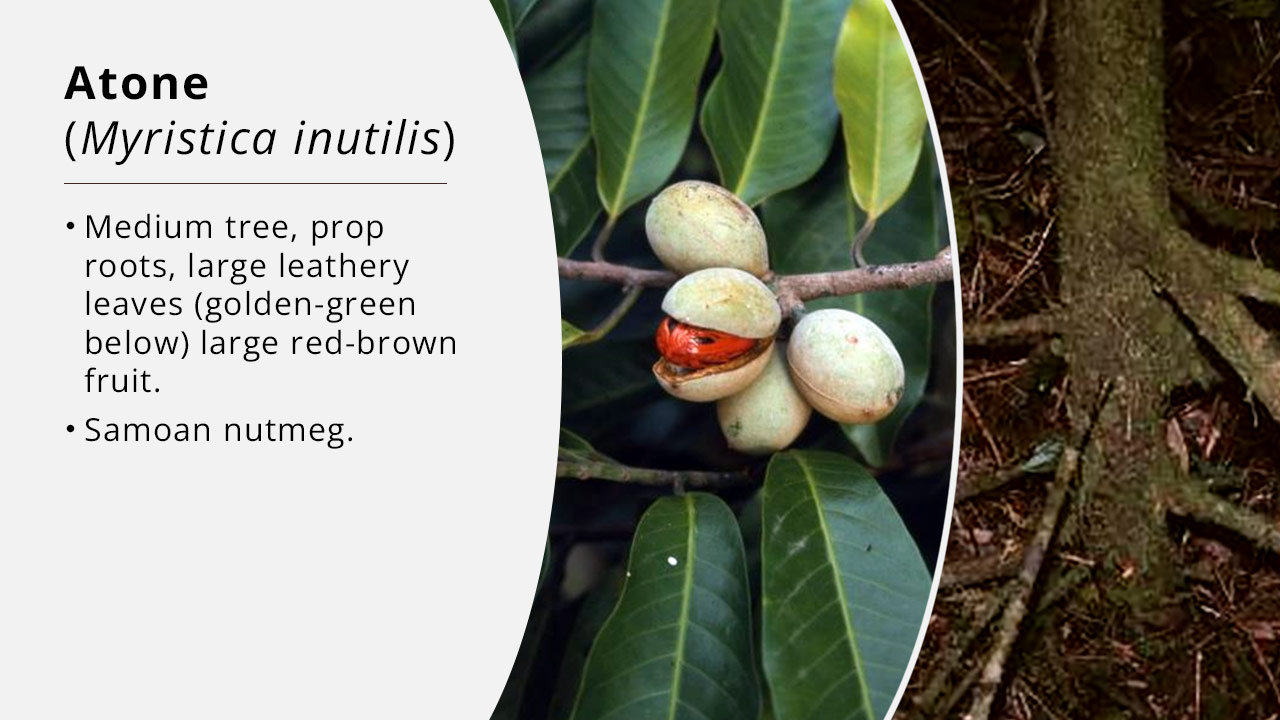
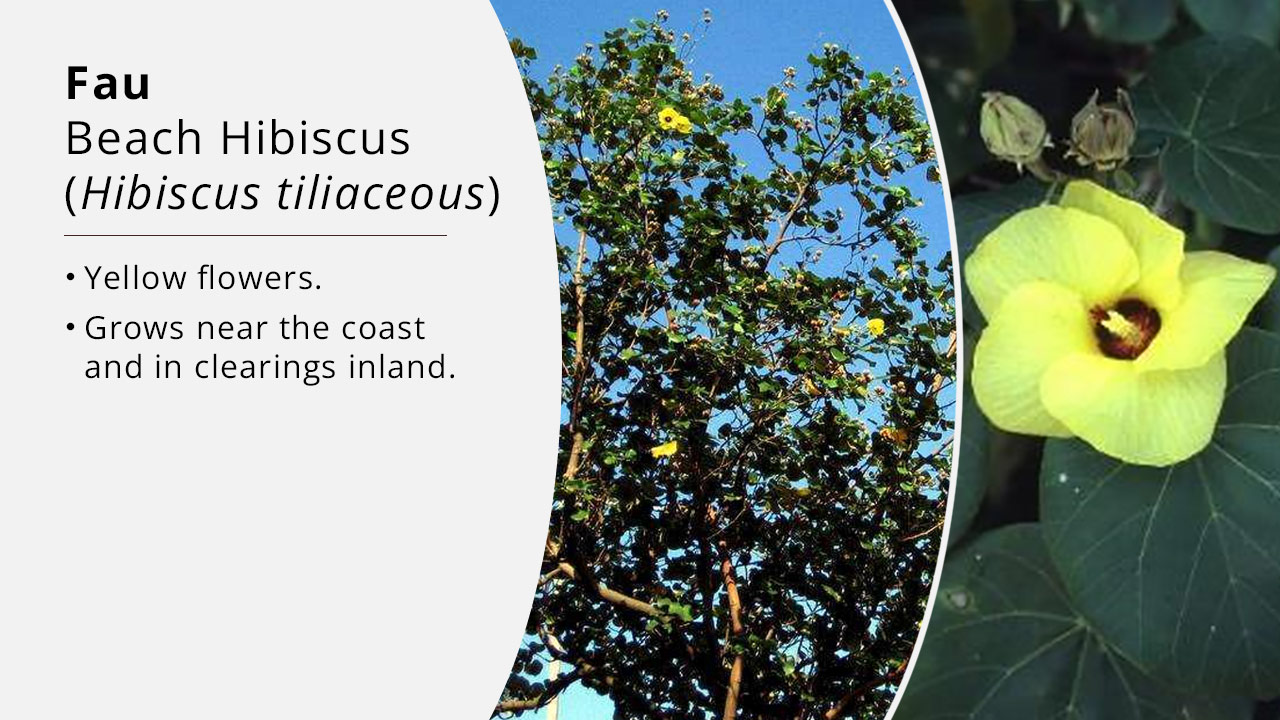
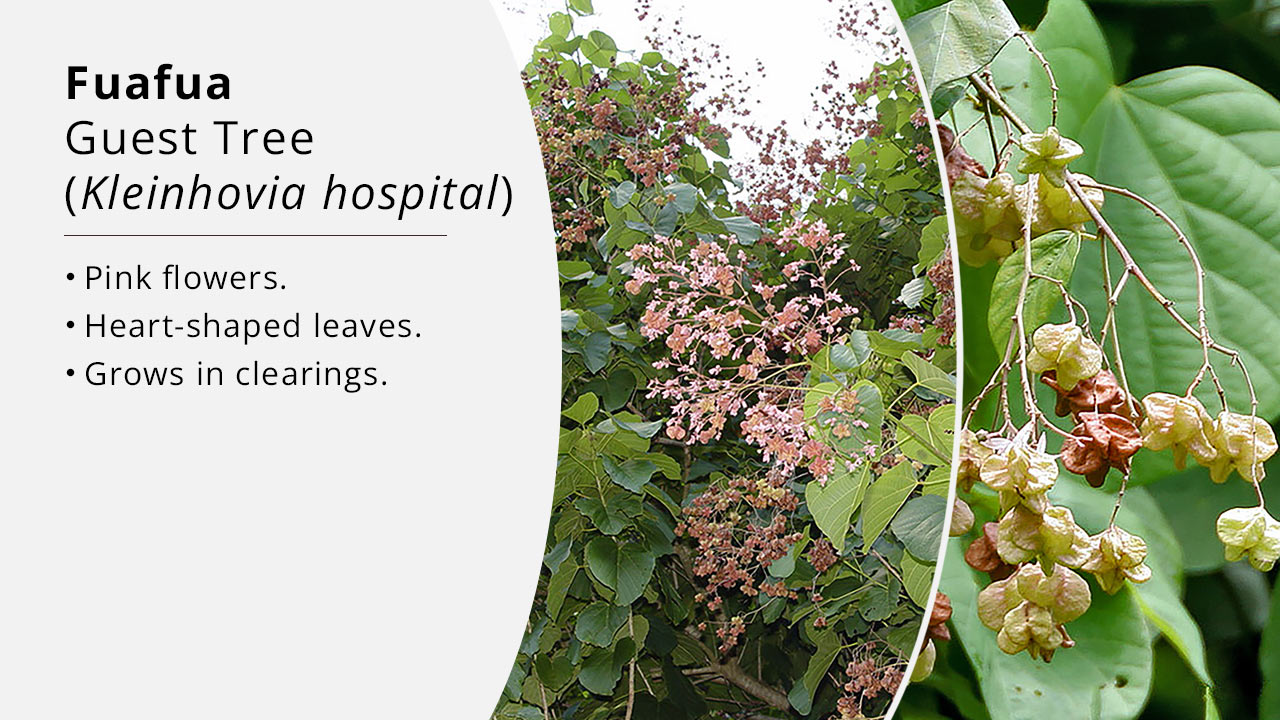
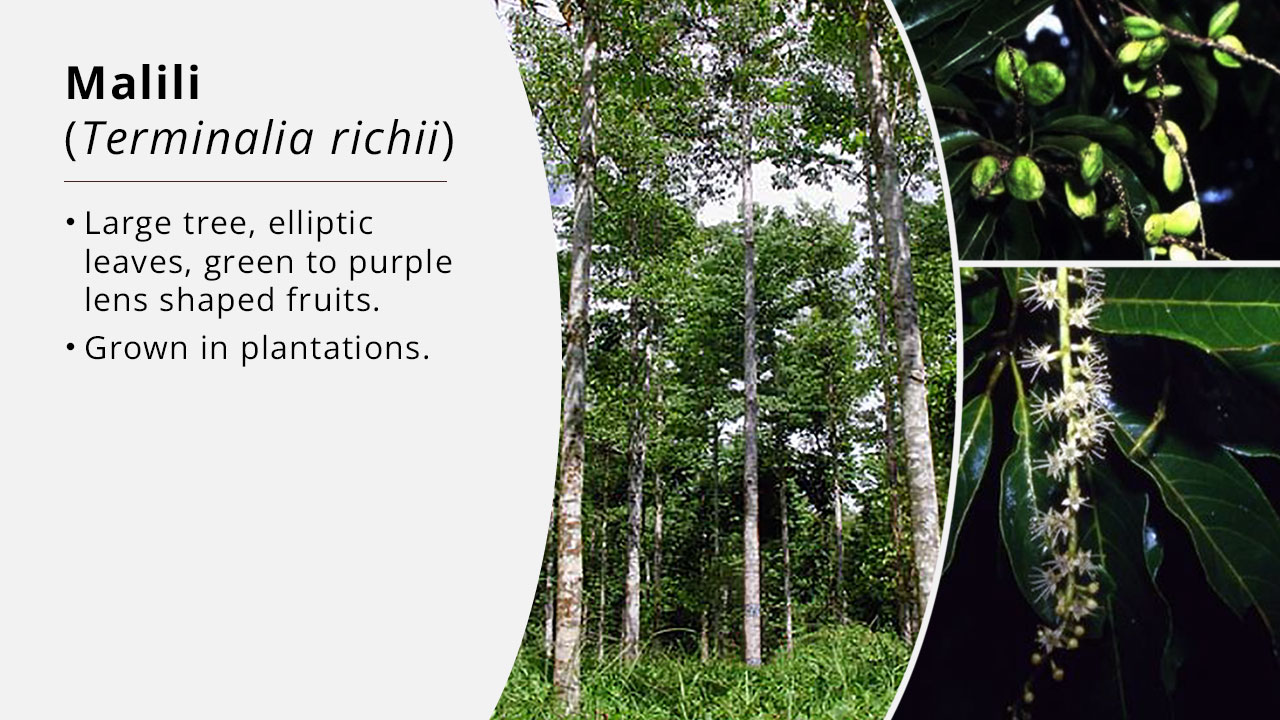
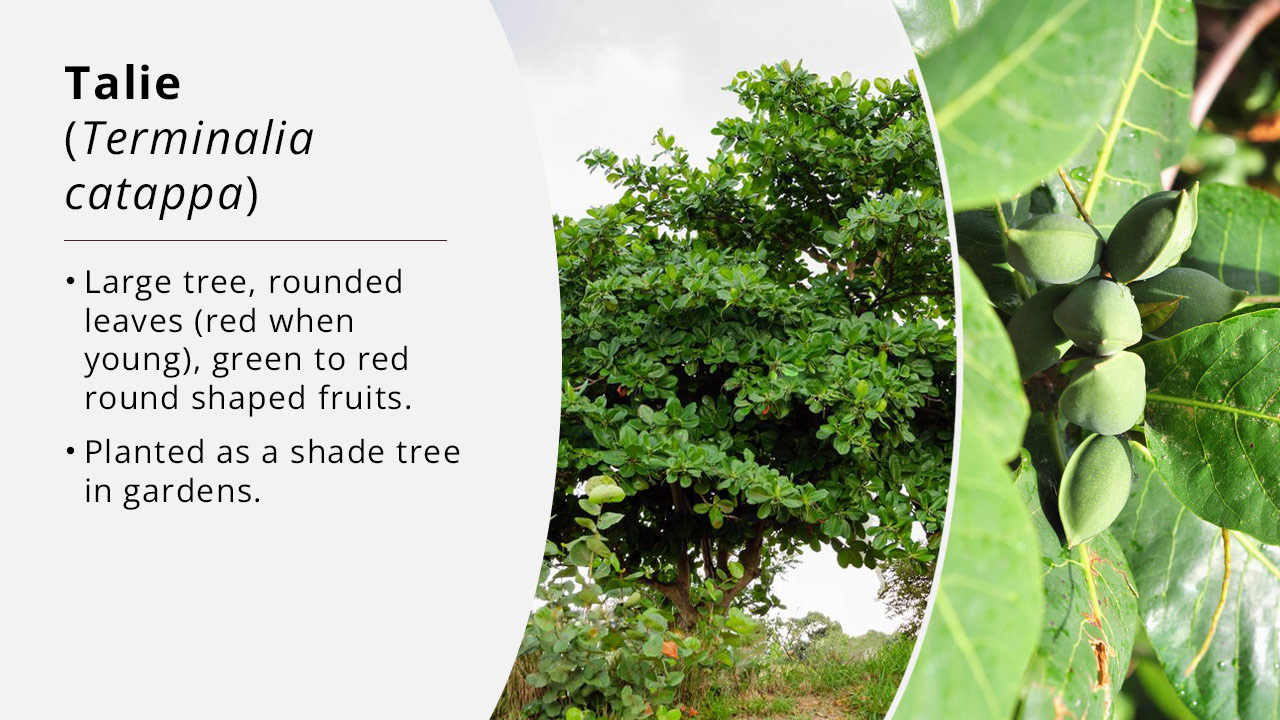
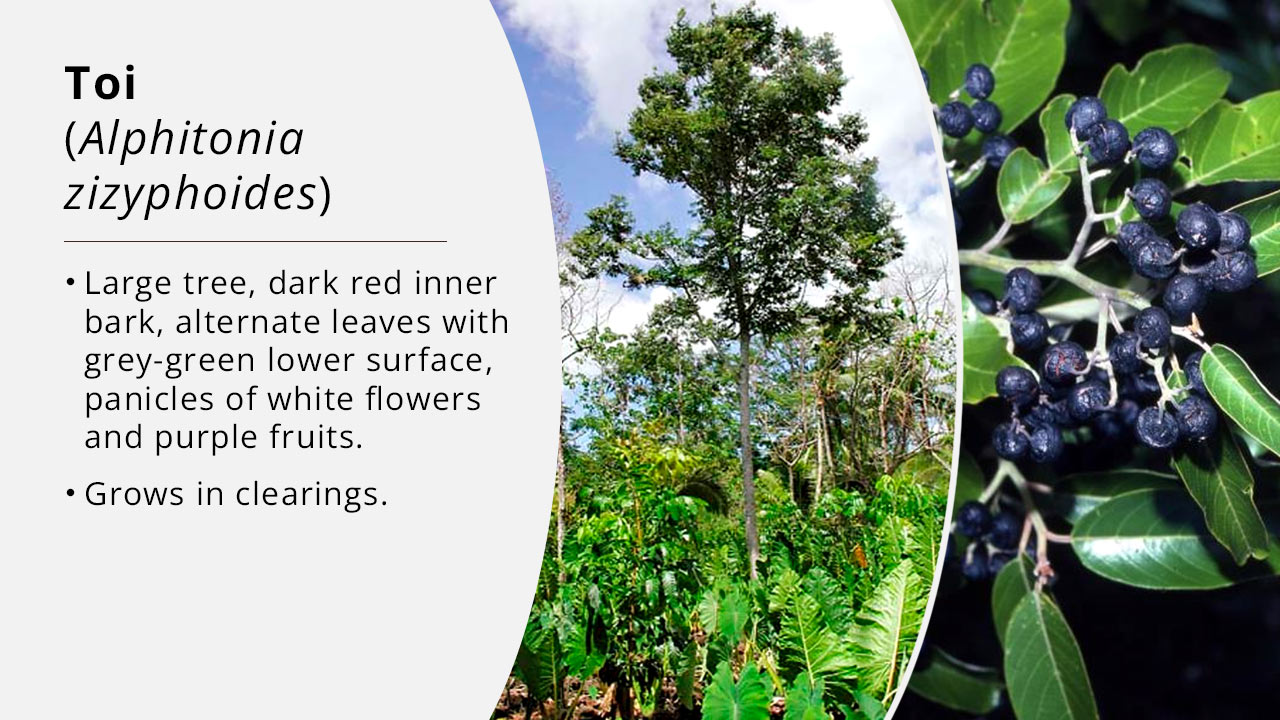
Below are some photos and key features of some of the more common native trees in the reserve, many of which have now been labelled with QR codes.
Native Trees of the Reserve – Photos & Key Features
VAILIMA BOTANICAL GARDENS
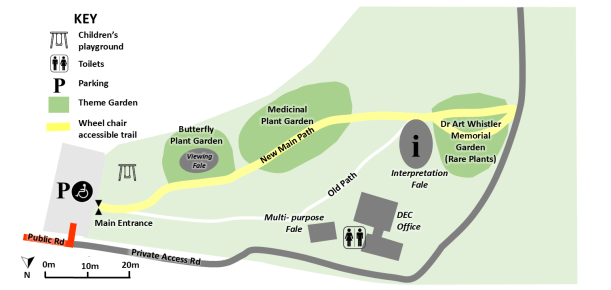
The Vailima Botanical Gardens (VBG) serve as a vital hub for plant conservation in Samoa, showcasing the nation’s rich biodiversity and safeguarding rare and endemic species. You can find more information about the plants at the Vailima Botanical Garden here:
ANIMALS
The reserve is home to a rich animal biodiversity including birds, flying foxes, lizards, butterflies, snails, insects and freshwater fauna. These animals all have an important ecological role, whether as pollinators or spreaders of native plants, decomposers of rotting vegetation or as food sources for other animals; all contribute to the stability of the forest ecosystem and the complex web of life.
Birds
Many of Samoa’s birds inhabit the Reserve, with around 34 species recorded from the Reserve, including introduced birds, seabirds and shore birds!
Common Birds
The most common native land bird species are shown below with their Samoan name, Common English name and Scientific name. Please click on the sound icon to listen to the bird calls.
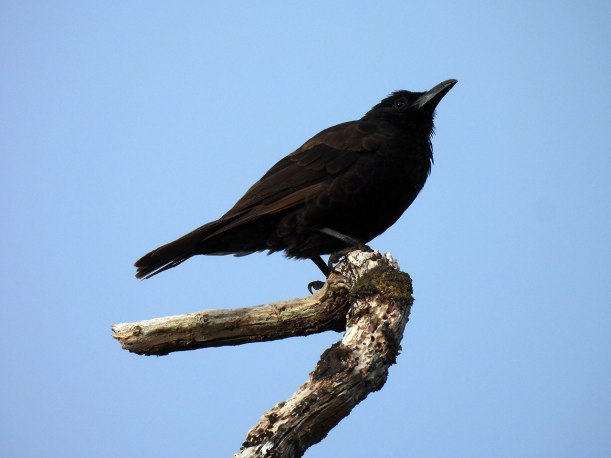
Fuia
Samoan starling
Aplonis atrifusca
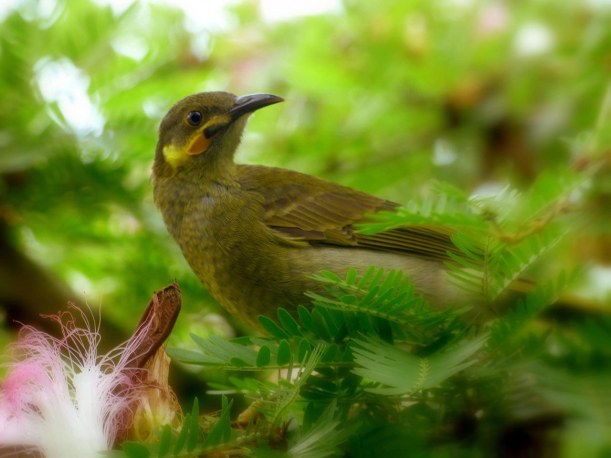
Iao
Wattled Honeyeater
Foulehaio carunculata
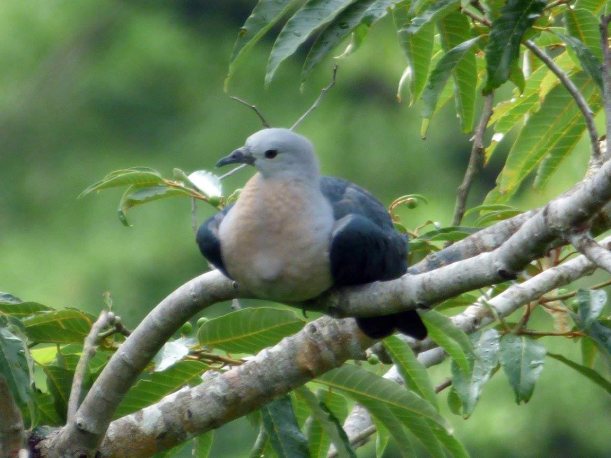
Lupe
Pacific Pigeon
Ducula pacifica
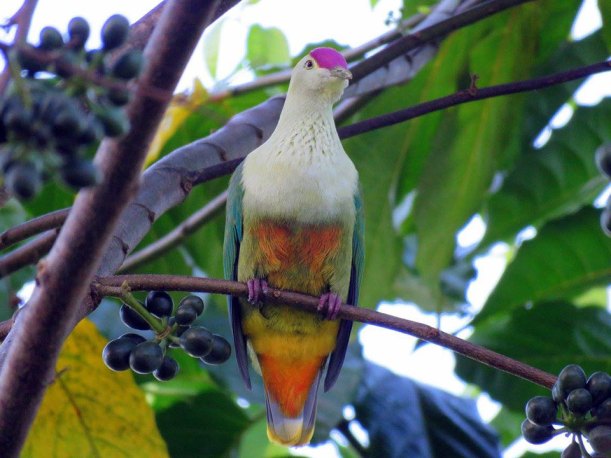
Manutagi
Crimson-crowned Fruit Dove
Ptilinopus porphyraceus
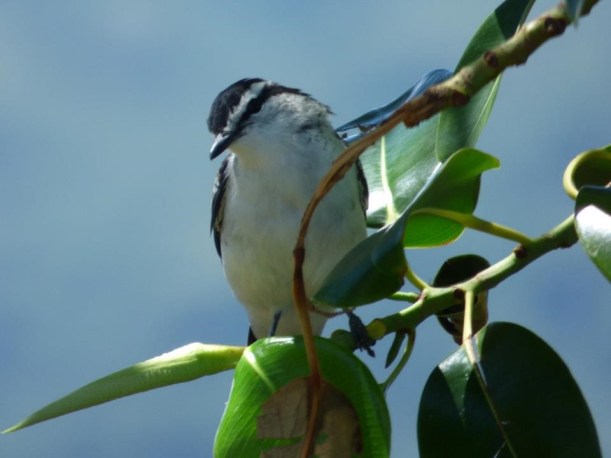
Miti-tai
Polynesian Triller
Lalage maculosa
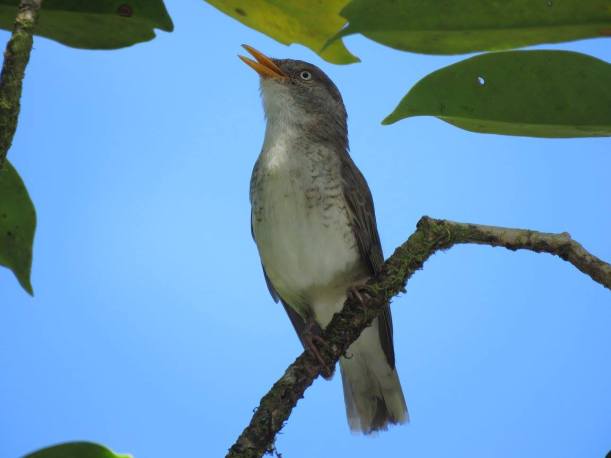
Miti-vao
Samoan Triller
Lalage sharpei
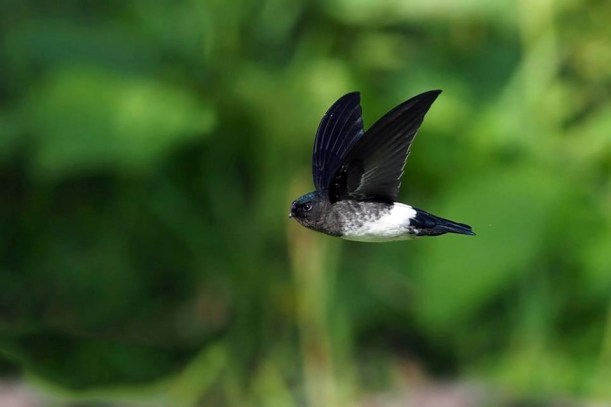
Peapea
White-rumped Swiftlet
Aerodramus spodiopygius
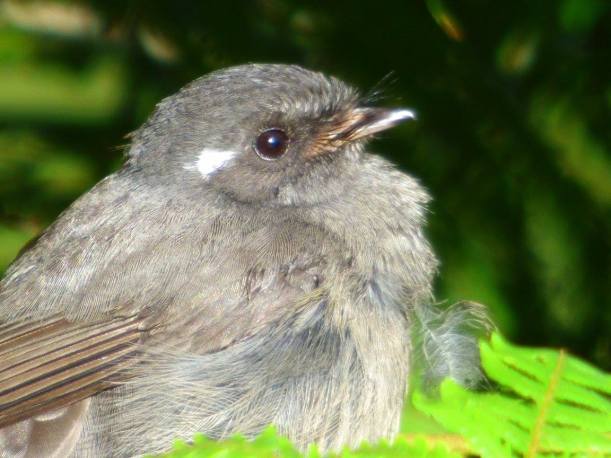
Se’u
Samoan Fantail
Rhipidura nebulosa
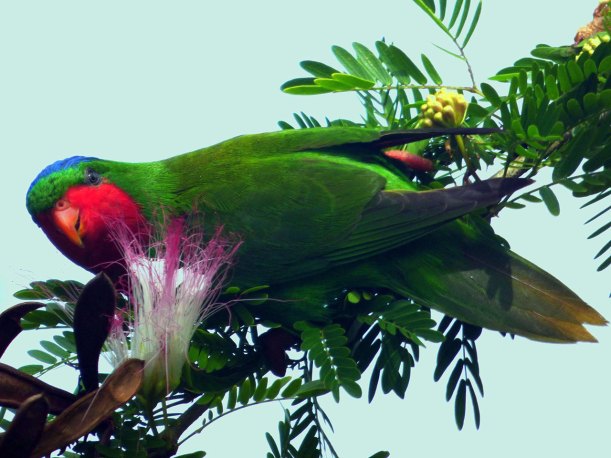
Sega vao
Blue-crowned Lory
Vini australis
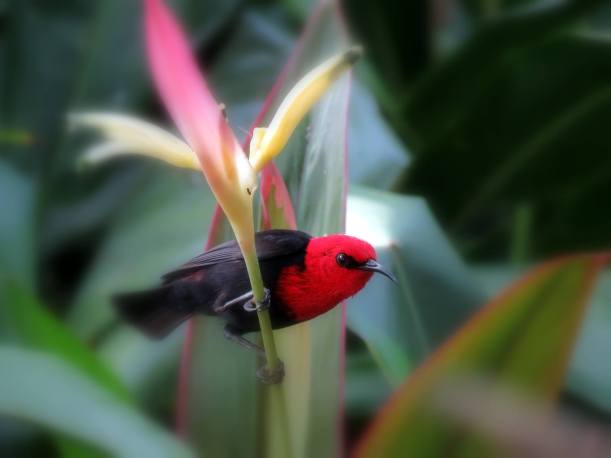
Segasega Mau’u
Cardinal Honey-eater
Myzomela cardinalis
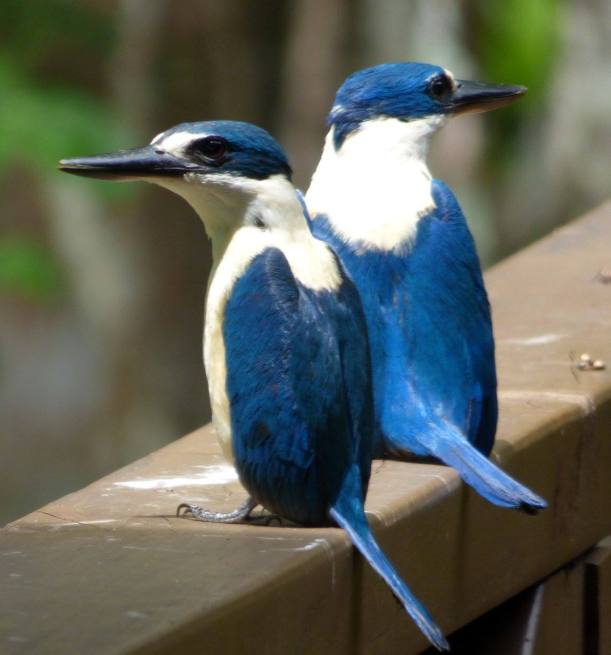
Tiotala
Samoan Kingfisher
Todiramphus recurvirostris
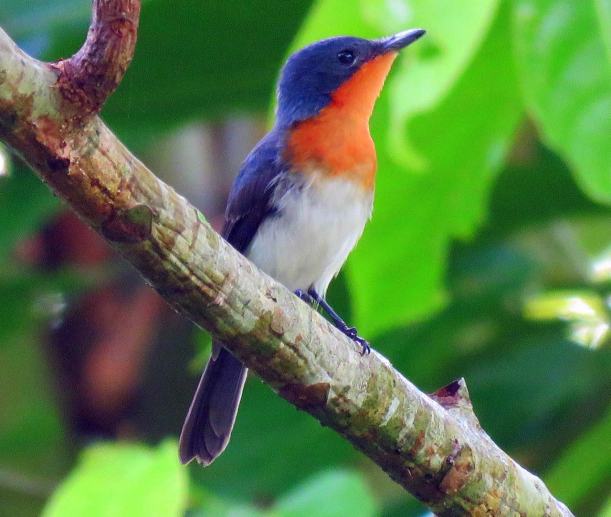
Tolaifatu
Samoan Broadbill
Myiagra albiventris
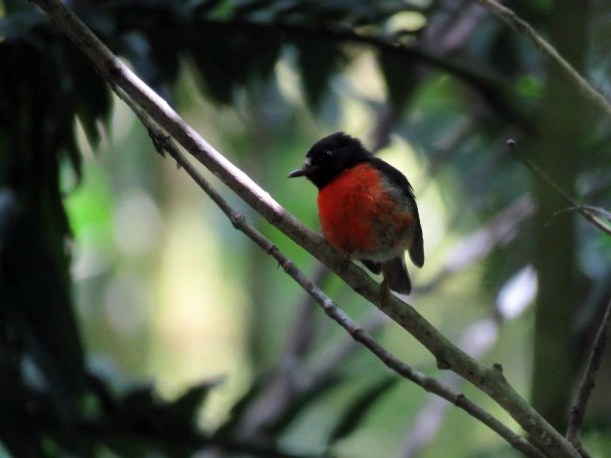
Tolaiula
Female Samoan Robin
Petroica multicolor
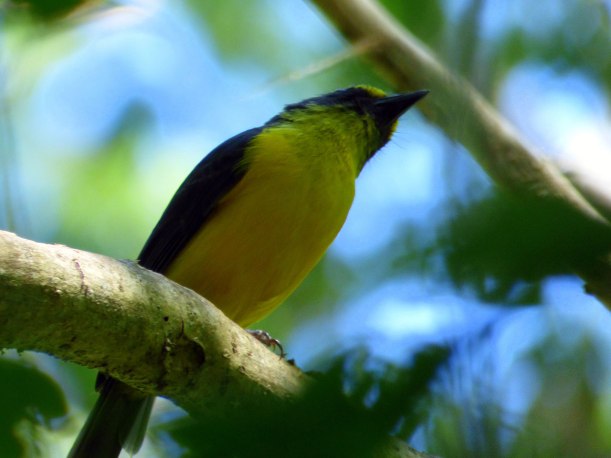
Vasavasa
Male Samoan Whistler
Pachycephala flavifrons
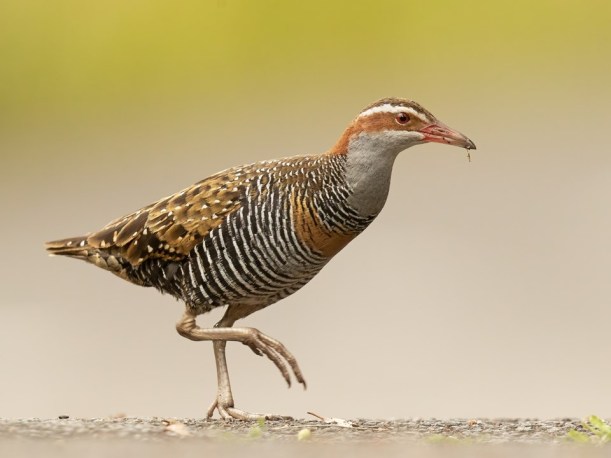
Ve’a
Banded Rail
Gallirallus philippensis
Rare Birds
Rare birds such as the Sega ula or Samoan Parrot Finch are occasionally sighted in the reserve and the haunting sound of the Ma’oma’o or Giant Forest Honeyeater can also be heard.
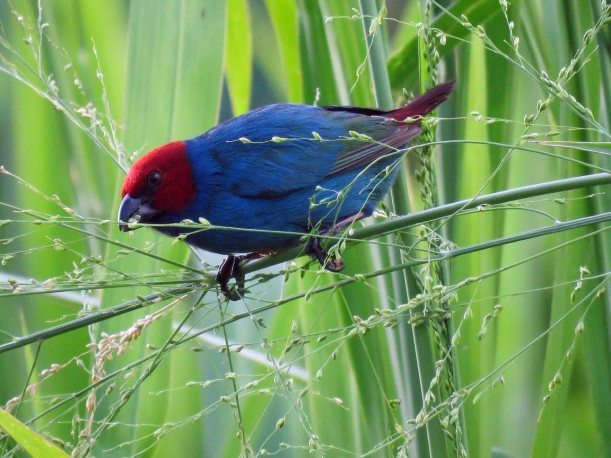
Sega ula
Samoan Parrotfinch
Erythrura cyanovirens
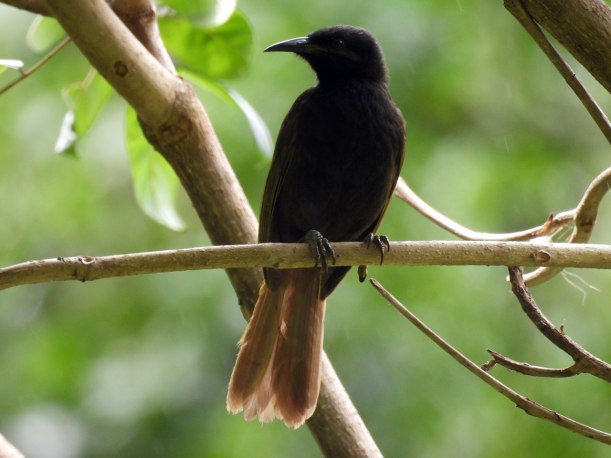
Ma’oma’o
Forest honeyeater
Gymnomyza samoensis
Introduced Birds
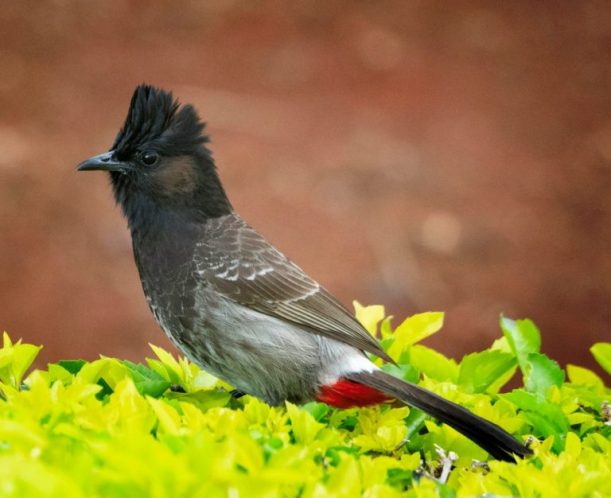
Manu Palagi
Red-vented Bulbul
Pycnonotus cafer
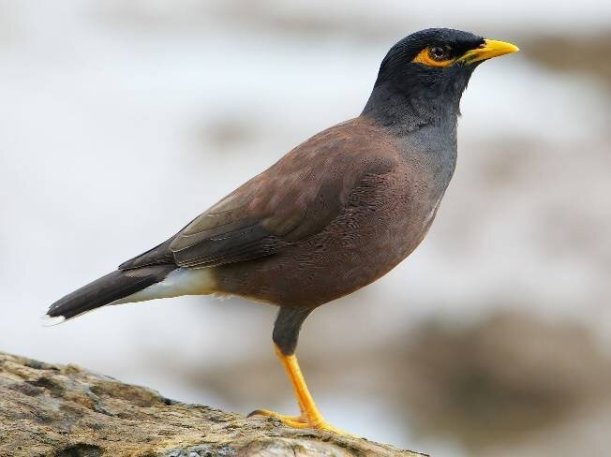
Maina
Common Myna
Acridotheres tristis
Seabirds
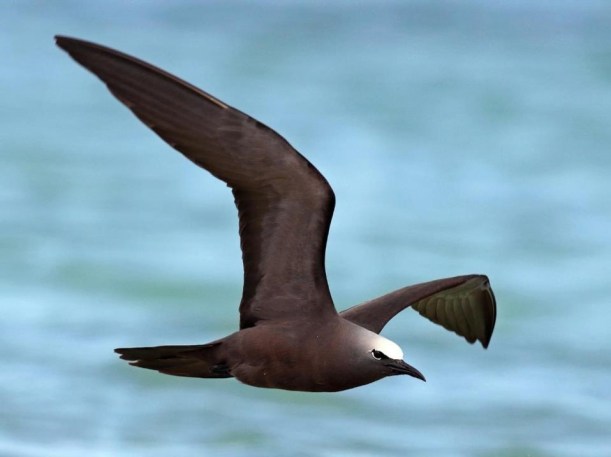
Gogo
Brown Noddy
Anous stolidus
Photo from Google Images
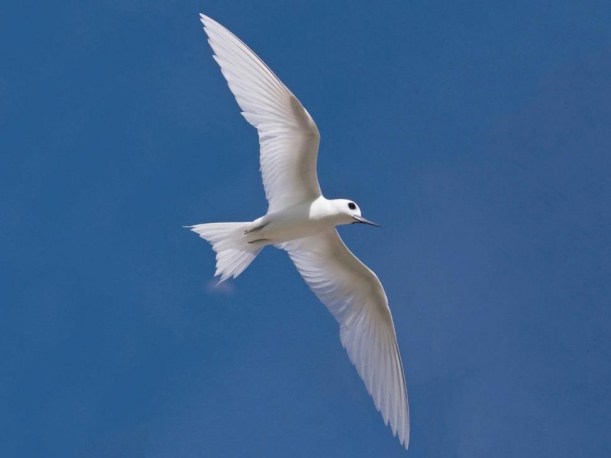
Manusina
White Tern
Gygis alba
Photo from Google Images
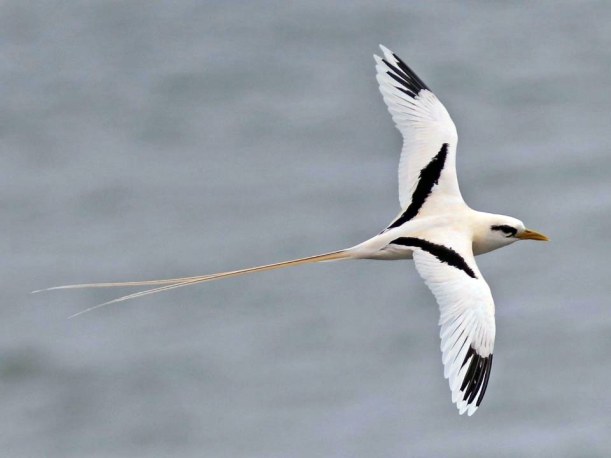
Tava’e
White-tailed tropic bird
Phaethon lepturus
The beautiful Tava’e or White-tailed tropic bird can sometimes also be glimpsed through the canopy at lookout sites.
Photo from google images
Flying Foxes
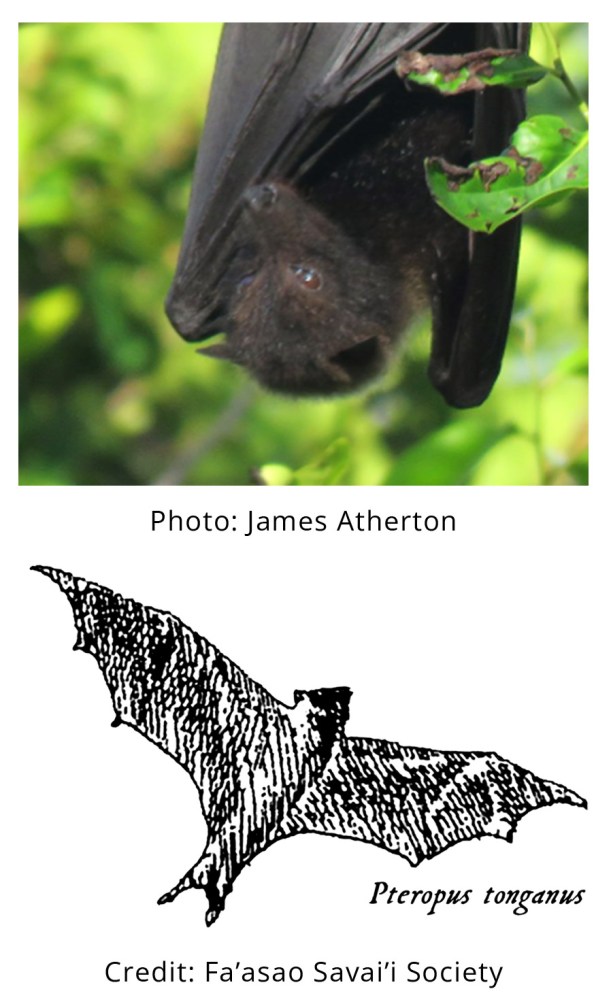
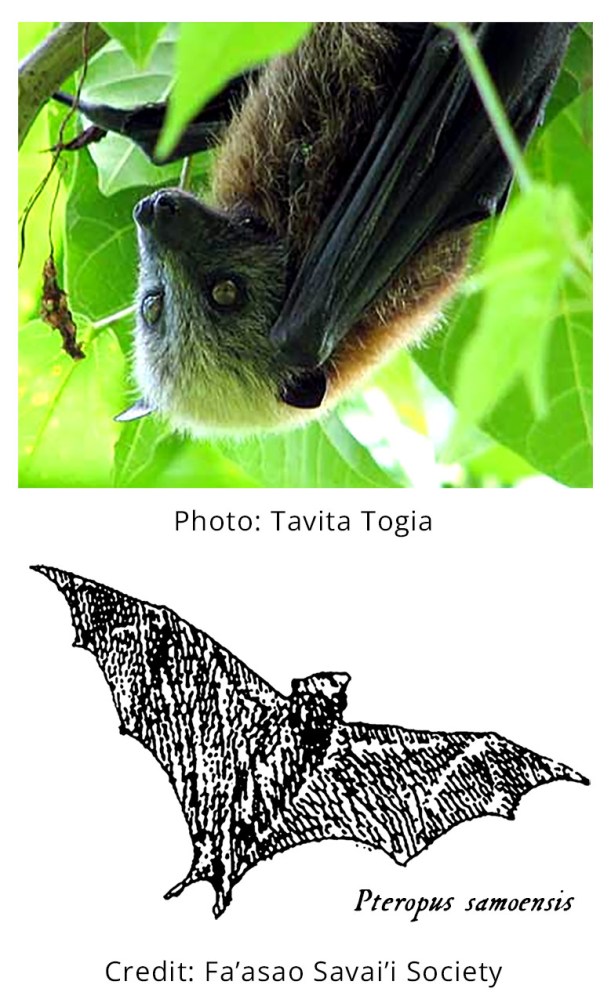
Samoa has two flying fox species both of which can be seen in the reserve: the Pe’a Fanua or Tongan flying fox (Pteropus tonganus) and the much rarer Pe’a Vao or Samoan flying fox (Pteropus samoensis). The two flying fox species are quite distinctive: the Pe’a Fanua lives in large colonies and is most active at night while the Pe’a Vao is solitary and active during the day. Furthermore, the Pe’a Vao has a light coloured face and broad wings while the Pe’a Fanua has a black face, whitish collar around the neck, narrower wings, and the hind legs stretch out like a tail.
Pe’a Fanua
Tongan Flying Fox
Pteropus tonganus
Pe’a Vao
Samoan Flying Fox
Pteropus samoensis
Butterflies
There are 30 species of butterfly known in Samoa with at least 16 of these recorded or expected in the Vailima Botanical Gardens and Mt Vaea Reserve. The small blue Samoan cerulean butterfly Jamides argentina flies quickly and often high around the margins of shrubs and trees in forest glades as well as darting in and out of shrubs along the tracks. Its flashing blue-purple colouration is striking even for this small butterfly. The grass yellow butterfly Eurema hecabe sulphurata flutters along the ground across low herbs among the sun patches on the open flats.
The blue tiger butterfly Tirumula hamata melittula is common in open areas and the vivid orange common vagrant butterfly Vagrans egista bowdenia is a common visitor to the summit near Robert Louis Stephenson’s grave. Also common is the blue moon Hypolimnas bolinas pallescens and the Evening Brown Melanitis leda hopkinsi. Bright flowers such as Lantana, Blue-rat tail, Ixoras and others attract this and other butterflies to feed on the nectar.
Please visit the butterfly garden in the Vailima Botanical Gardens for more information on our beautiful butterflies.
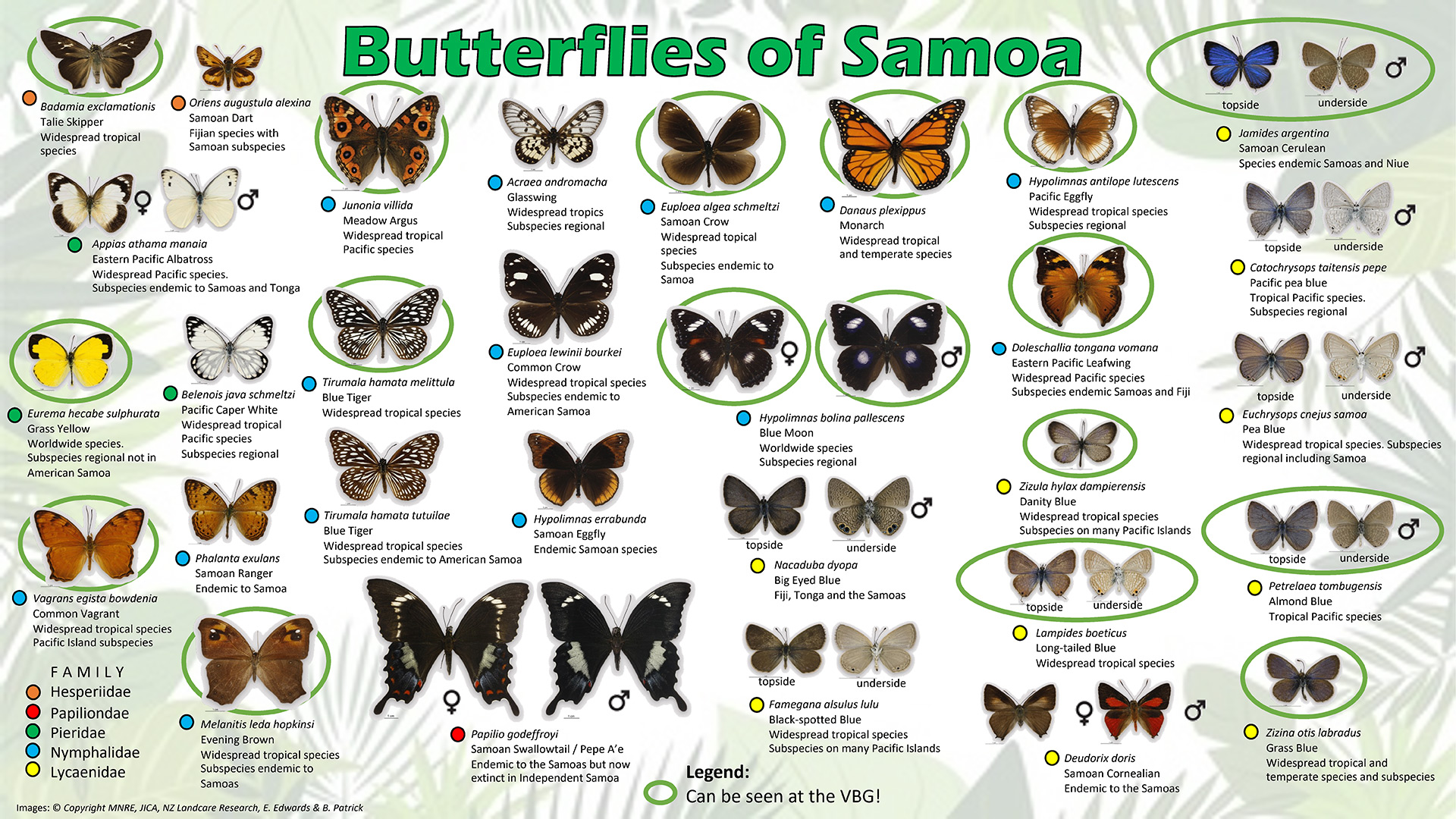
See if you can find all 16 butterfly species that have been recorded from the Vailima Botanical Gardens and Mt Vaea Reserve! (butterflies circled in green)
Fish/Crustacea
Very little is known about freshwater biodiversity in Samoa. However, a survey of the Loimata o Apaula Stream was conducted in July 2008 as a part of nationwide preliminary survey (Jenkins et al. 2008). Three fish species (two species of eel and one species of gobiid) and six macro-crustacean species were recorded in the stream. One of the macro-crustacean species, Macrobrachium aemulum was a new record to Samoa and only found in the Loimata o Apaula Stream.
Rules of the Reserve
- Please stick to the trails. Making new trails causes erosion and damages plants
- Please remember that all plants and animals are protected within the reserve. Nothing must be taken or damaged.
- Please put your litter in the bins provided or take it with you
- Take only photographs and leave only footprints!
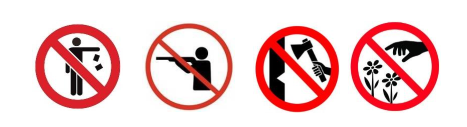
Photo credits: Unless otherwise credited plant photos are by Dr Art Whistler, butterfly images are from Eric Edwards, bird photos are by James Atherton, all others as credited. Bird calls are from https://xeno-canto.org

 samoaconservationsociety.com