
Did you know that Samoa has more than 2,500 species of insect, over 2,000 sea snails, around 900 coral reef fish, 770 species of native plants and that Megapodes (large tasty birds) once lived here?
Here we present some more facts and figures on Samoa’s biodiversity and look at some of her beautiful species, including some that are sadly no longer with us, due often to the actions (and stomachs) of man and introduced predators such as rats and cats.
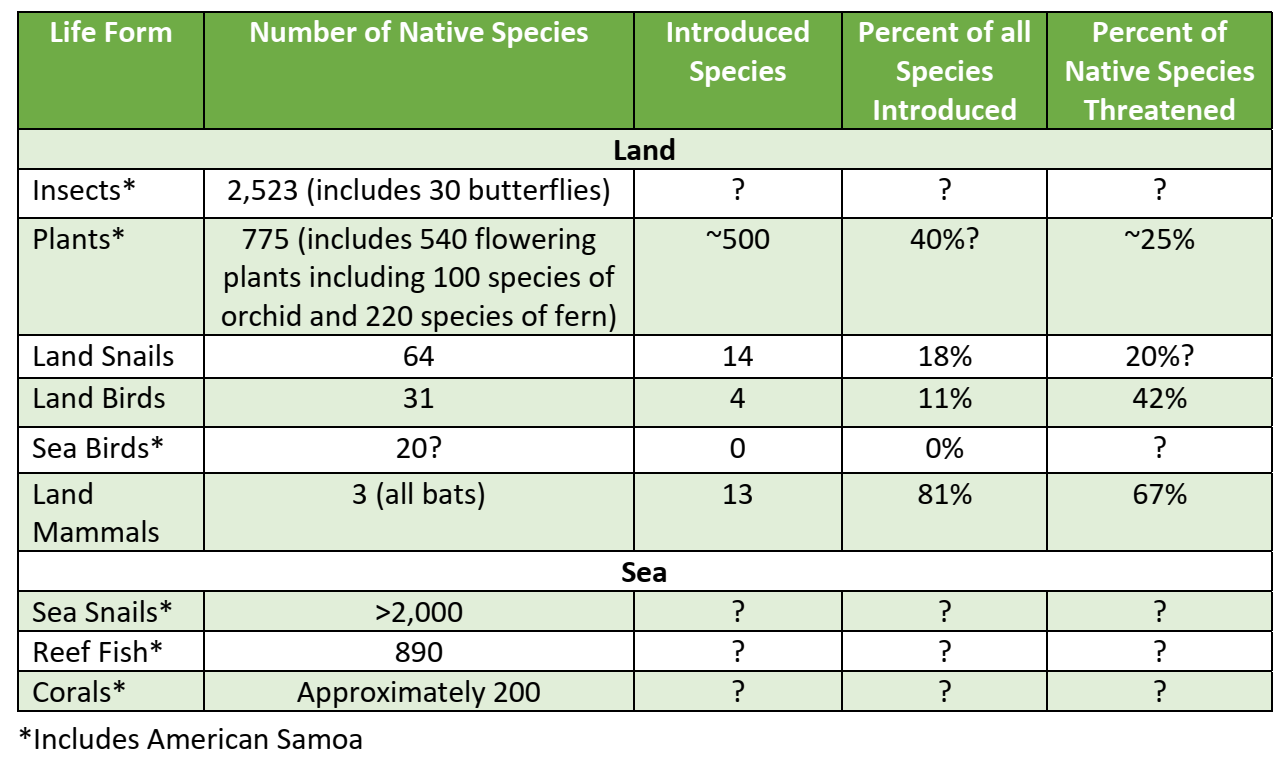
Biodiversity by the numbers: the number of species in different taxonomic groups in Independent Samoa (various sources). There is still much to learn about our biodiversity, not just in terms of numbers of native or introduced species in different taxonomic groups, but more importantly what ecological role they play and which ones are threatened and why. No doubt there are many new species waiting to be discovered too and others that could have an important use one day!
Most of Samoa’s biodiversity has its origins in SE Asia. Interesting exceptions are the endemic Samoan blueberries (Vaccinium whitmeei) of montane Savai’i (no Samoan name), whose ancestors may have come from the temperate Americas and the Red mangrove (Rhizophora mangle), or Togo Fafine, which is thought to be of Central or South American origin.
Because of our distance from the source areas of species evolution, Samoa has fewer species of animals and plants than islands further west, especially for some groups such as land mammals (only 3 native species) and with entire groups being absent (such as amphibians including frogs).
This does not mean that Samoa does not have significant biodiversity. On the contrary, our islands are relatively rich for a small land mass and have a high rate of endemism: around one-third of our native species evolved into new forms here and are still only found here, as a result of the age, ruggedness and isolation of our islands. We also have more ferns than New Zealand, a country 85 times bigger than Independent Samoa; and we have the smallest spider in the world, Patu marplesi (around 0.4 mm fully grown), so there is much to be proud of!
The richest “known” groups are the insects, sea snails, reef fish and plants. We also have 64 native land snails, 31 breeding land birds, 30 butterflies and 14 land reptiles. Our marine diversity is particularly rich because marine species can float or swim here more easily than land species can get here; however they have a lower rate of endemicity, or species only found here.
Unfortunately, many of our native species are much depleted in number and range and some have gone extinct. Many factors threaten our biodiversity, including predation for food by man, and other mammals we have introduced here, including rats and cats, competition from introduced plants, and habitat loss for development. Many of these threats interact with each other and all are exacerbated by natural disasters such as cyclones. An interesting example is the Megapode bird (Megapodius species- so named because of its large feet) bones of which were found at To’aga on Ofu in American Samoa and was probably eaten to extinction. It was likely found throughout Samoa at one time. Also probably extinct is the Puna’e (Samoan woodhen) – another tasty bird. The Tagiti (Sheath tailed bat) and the Pepe Ae (Samoan Swallow tail butterfly) are also now extinct from Independent Samoa.
Not all of these species have gone due to human actions; it is thought the Tagiti was lost due to flooding of its cave roosts by cyclones. However, the Pepe Ae may have been lost due to the disappearance of many of its host trees- the Talafalu (Micromelum minutum), found in coastal forest which is now rare in Samoa due to development. Luckily the Tagiti still exists in Fiji and elsewhere in the Pacific and the Pepe Ae is still in American Samoa so both could be re-introduced back to Samoa one day.
An important distinction needs to be made here between “native” species- species that naturally occur in a place and arrived without the help of humans, and “introduced” species that were brought in accidentally or on purpose by humans. Native species can be further divided into those that are “endemic”- or restricted to a particular place, such as to Savai’i, or to Samoa as a whole, and those that are not endemic to Samoa, and are found elsewhere too (often called “indigenous”). Finally, “introduced” species can be divided between “Polynesian introductions”- species that were introduced historically by the early Polynesians, from “modern introductions” species introduced since around 1830 by Europeans or Polynesians travelling on modern forms of transport such as boats or planes. Local nature conservation efforts are mostly concerned with saving native species, because introduced species generally are common and widespread and not at risk of extinction. Some useful crop varieties (e.g. breadfruit varieties) are exceptional in that they were introduced but then bred locally; and are becoming rare and in need of conservation effort.
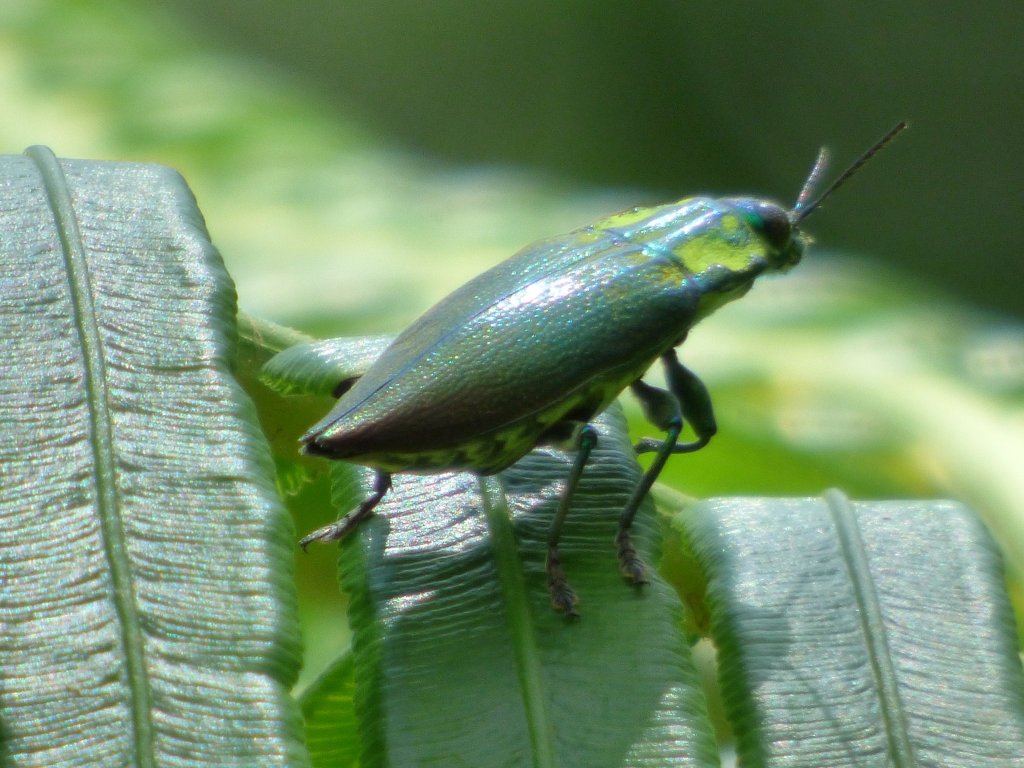
The insects, like this Jewel Beetle, are the largest documented taxonomic group in Samoa with around 2,500 species; many remain undiscovered…
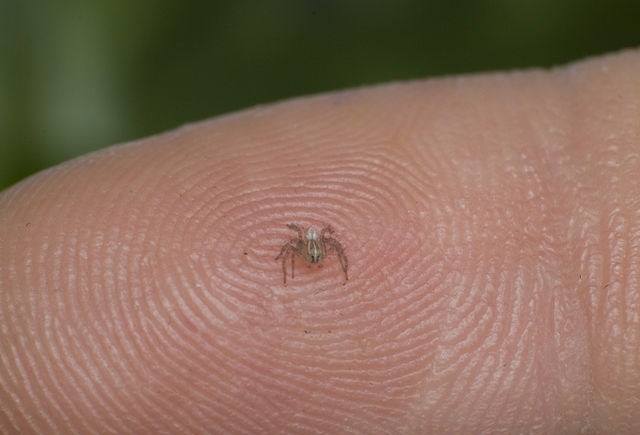
Patu marplesi, a spider living at Afiamalu, Upolu, has a body length of only 0.4mm, and is joint record holder of “smallest spider in the world” with Patu digua of Colombia. Photo from Insectomatic
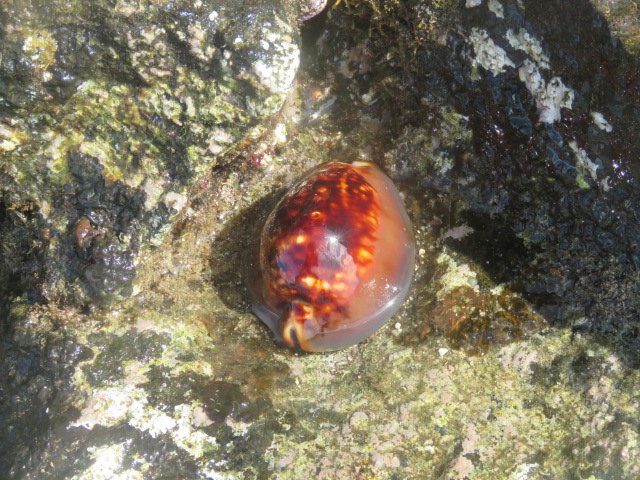
Samoa has perhaps 2,000 species of sea snails including this lovely cowrie. The high marine diversity is because most marine species have larvae or eggs that can float for days or weeks.
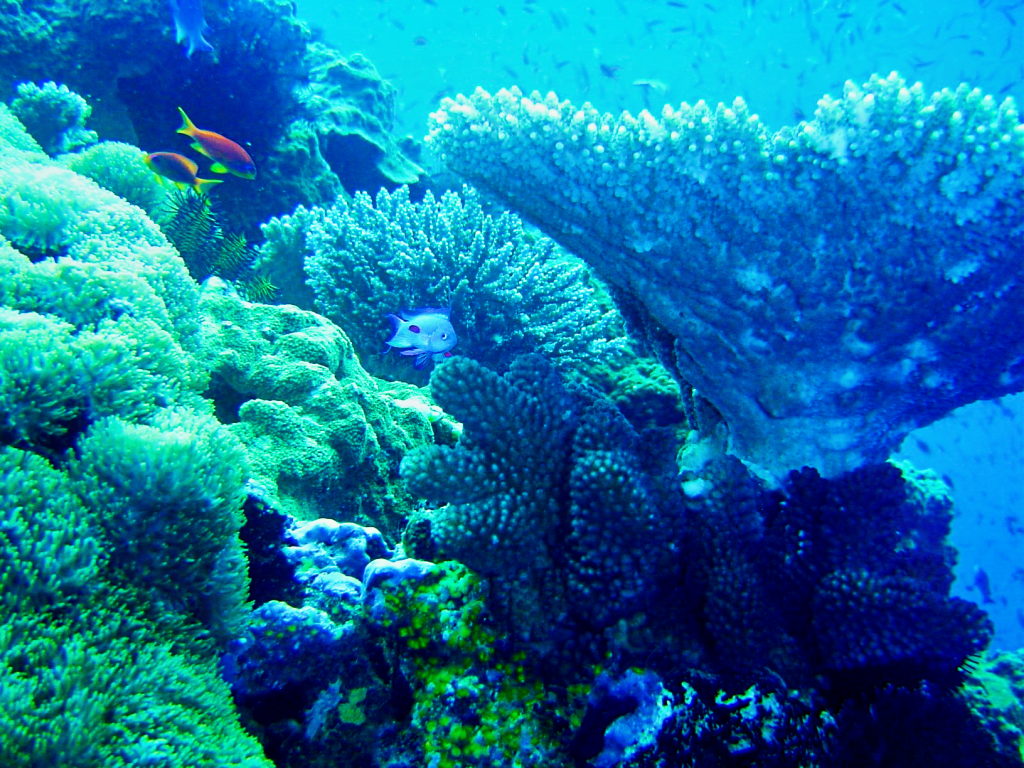
Samoa has rich coral reefs and perhaps 200 coral species but with low endemicity as corals can spread far and wide by larvae called “planula”. Photo by Richard Howes.
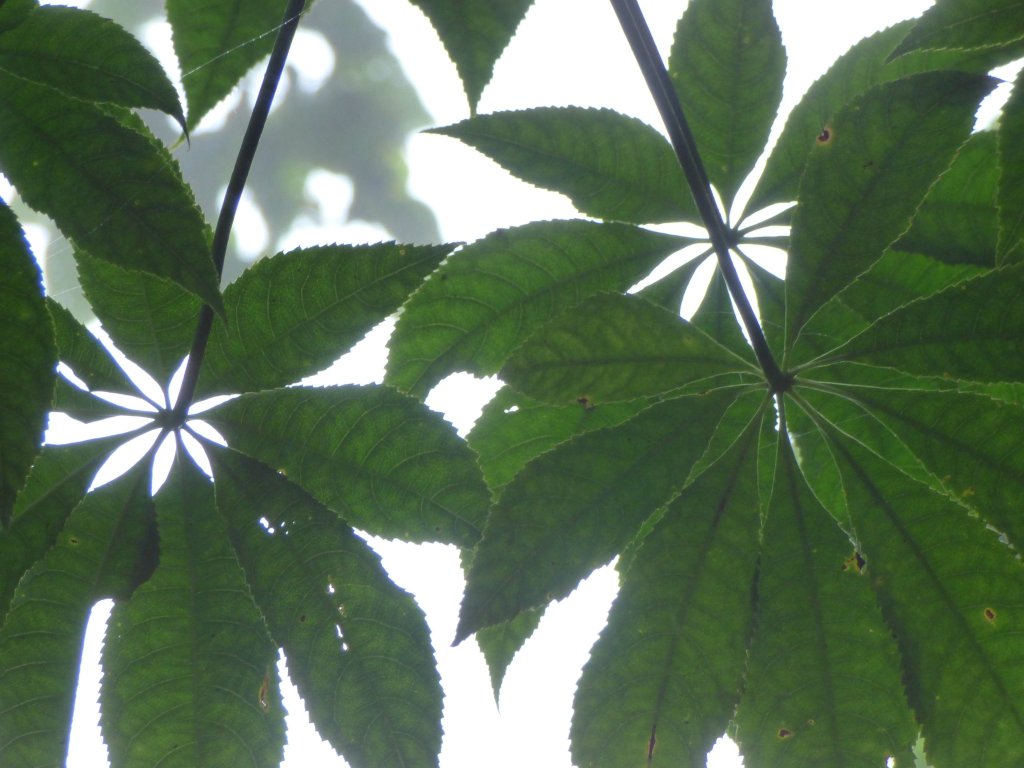
Schefflera samoensis (no Samoan name) one of over 540 flowering plants in Samoa, one third of which evolved here and are only found here (therefore endemic, like this plant). Ethnobotanist Dr Art Whistler’s rule of thumb for Samoan plants, was: “No Use, No Name”.
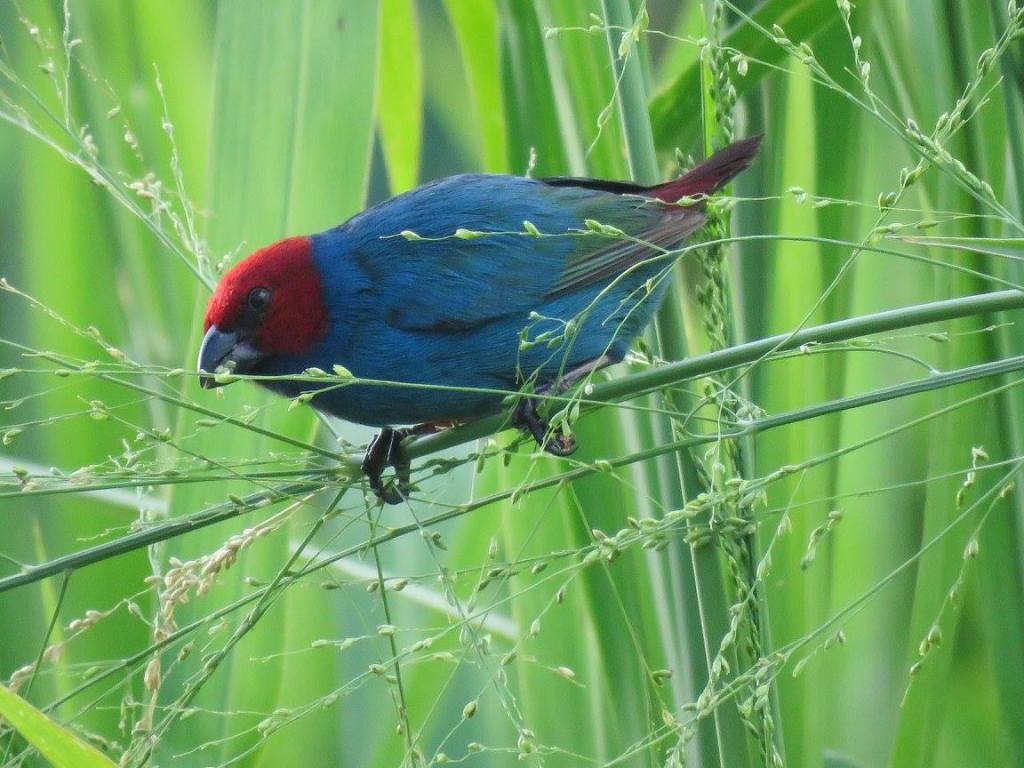
A Segaula (Samoan Parrotfinch) feeding on grass seeds. One of 31 breeding native landbirds in Independent Samoa, one third of which have evolved into new forms (like this one).
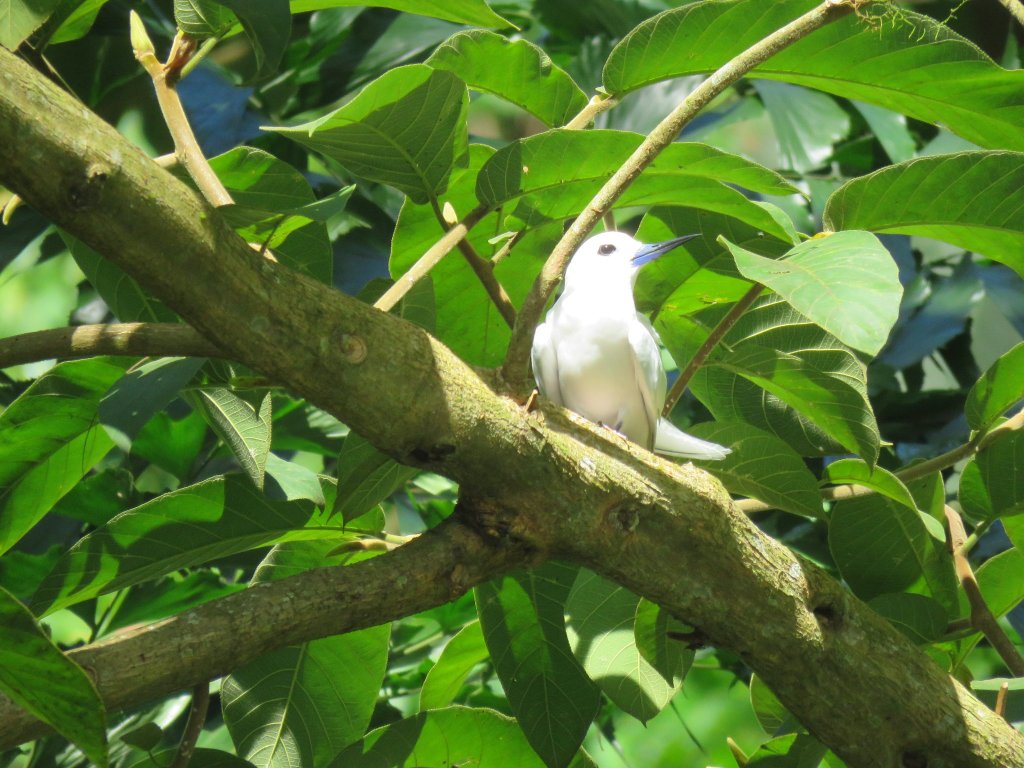
Sea birds like this Manu Sina (White tern), would have flown here deliberately or were blown here in a storm. They can carry seeds on their feathers or in their stomachs or even on their legs as was discovered by Charles Darwin 160 years ago. Manu Sina lay their eggs high on tree branches, where they may have better protection from rat predation. Around 20 sea bird species have been observed in Samoa but most are poorly studied and their Samoan breeding locations are unknown.
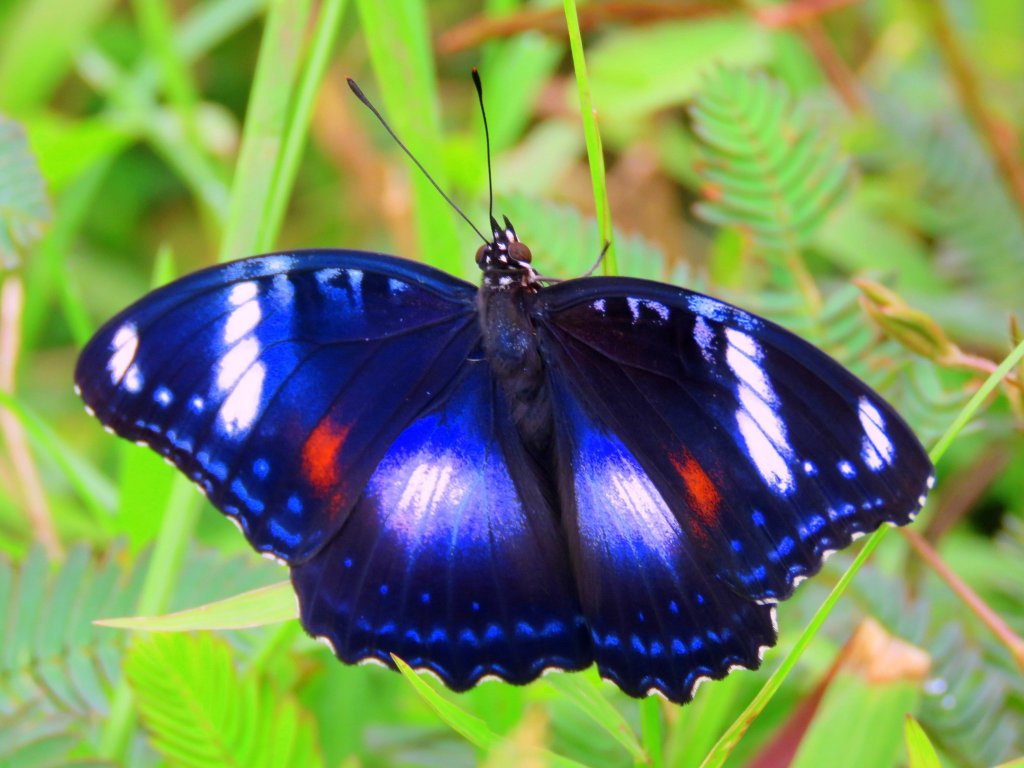
The Pepe (male Blue Moon Butterfly- Hypolimnas bolina) is one of Samoa’s thirty species of butterfly of which one third are endemic. In Samoa a parasite (probably the bacterium Wolbachia) had been killing the male members of this species. The problem was so severe that by 2001, males made up only 1% of the population. However, in 2007, it was reported that within a span of just 10 generations (about 5 years), the males had evolved to develop immunity to the parasite, and the male population increased to nearly 40% – one of the fastest examples recorded of natural selection in nature (Source: Wikipedia, photo by the author).
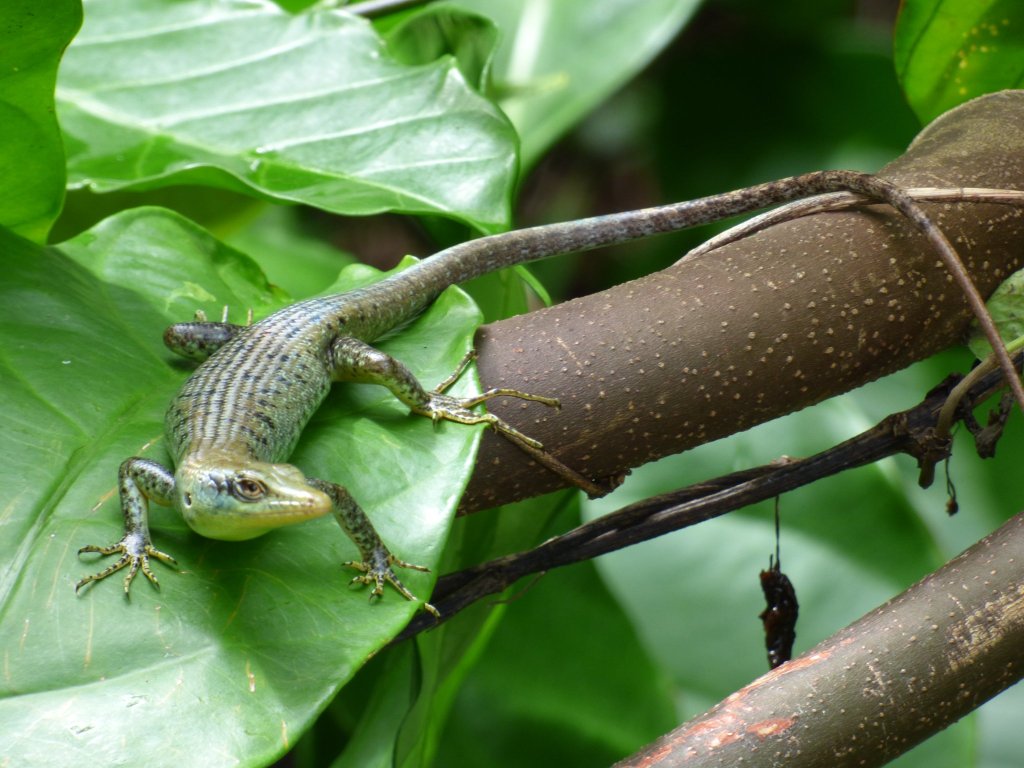
Samoa has only 14 species of native land reptiles like this Samoan skink: Pili Lape (Emoia samoensis), once thought to be endemic to Samoa but recently found in Tonga too.
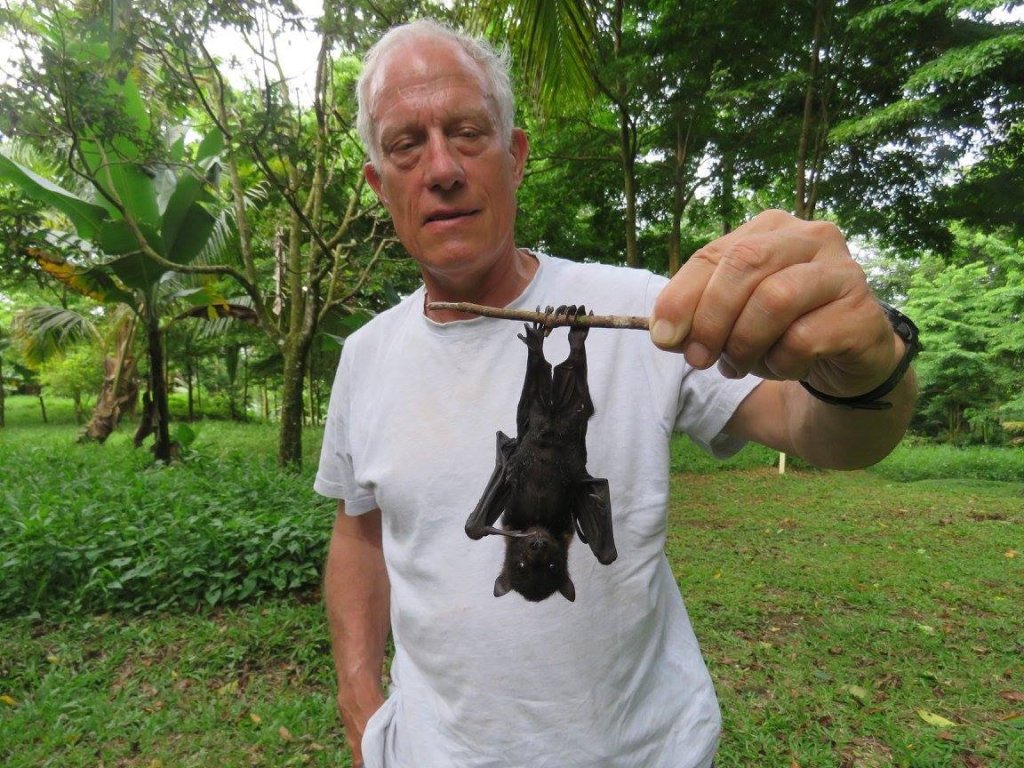
Dr Greg Sherley holding a baby Pe’a fai taulaga (Tongan Fruit bat) that fell out of a tree (we returned it!). One of only three native mammals in Samoa- all members of the bat family. Flying foxes are critical seed dispersers and pollinators of native plants and although fully protected they are still hunted for food.
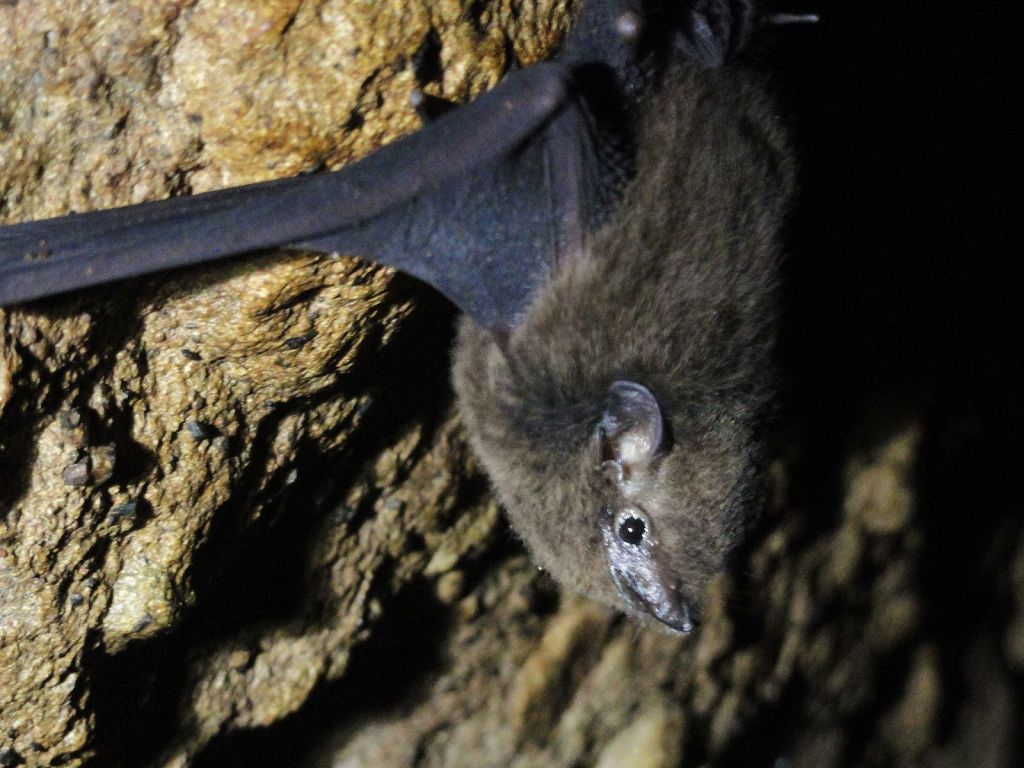
The Tagiti (Pacific sheath-tailed bat): now extinct from Samoa but still found in Fiji and could be re-introduced one day back to its lava tube habitat here. Photo by Joanne Malotaux (https://creativecommons.org/licenses/by-nc/2.0/)
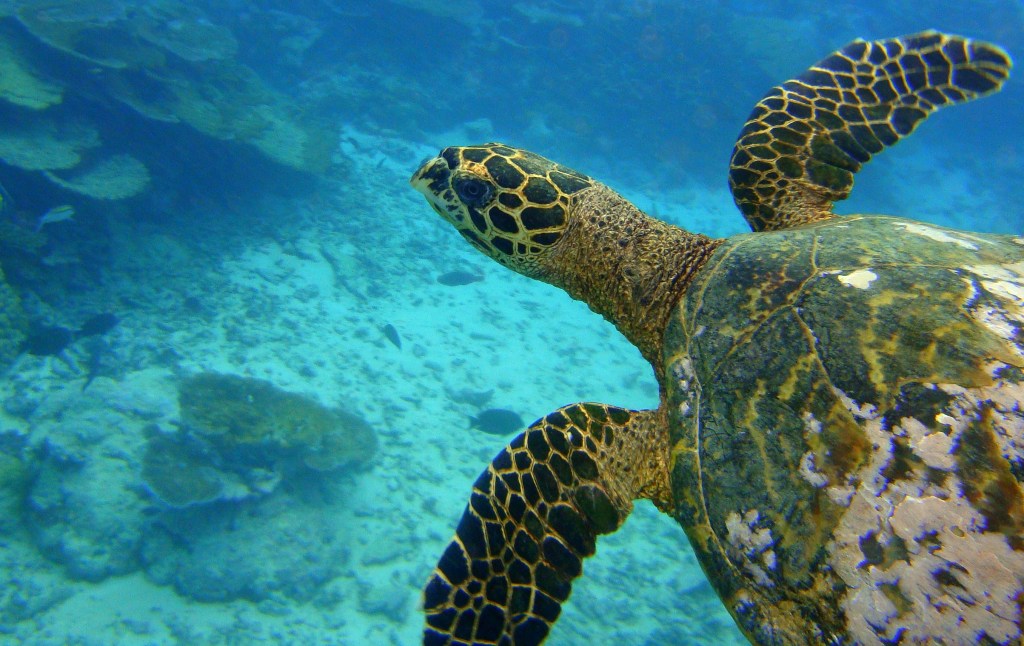
A Laumei, shown here is a Green Turtle which is the most common turtle in Samoa’s waters. It breeds on Rose Atoll in American Samoa and feeds on seagrass. The Hawksbill Turtle (also Laumei), which feeds on sponges, are the only turtles known to breed in Independent Samoa but are less commonly seen than Green Turtles. Photo by Richard Howes.
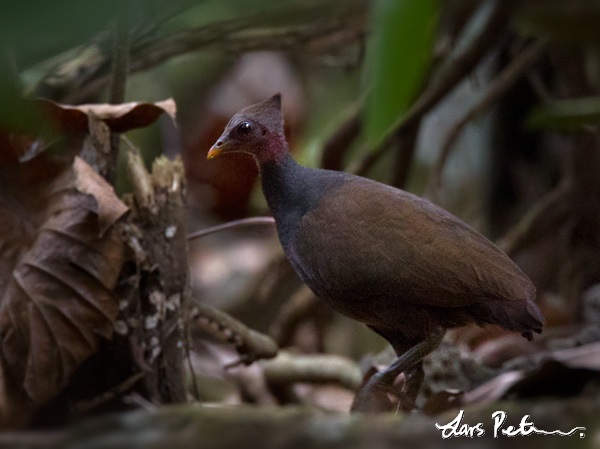
Megapodes like this New Guinea Scrubfowl (Megapodius decollatus) once roamed Samoa. These “incubator” birds lay their eggs in warm volcanic sands or in massive nest mounds of decaying vegetation, rather than sitting on them. The cause of their extinction was the arrival of humans, and the associated predation on adults and particularly eggs, as well as predation by introduced species. Photo by Lars Petersson.
 samoaconservationsociety.com